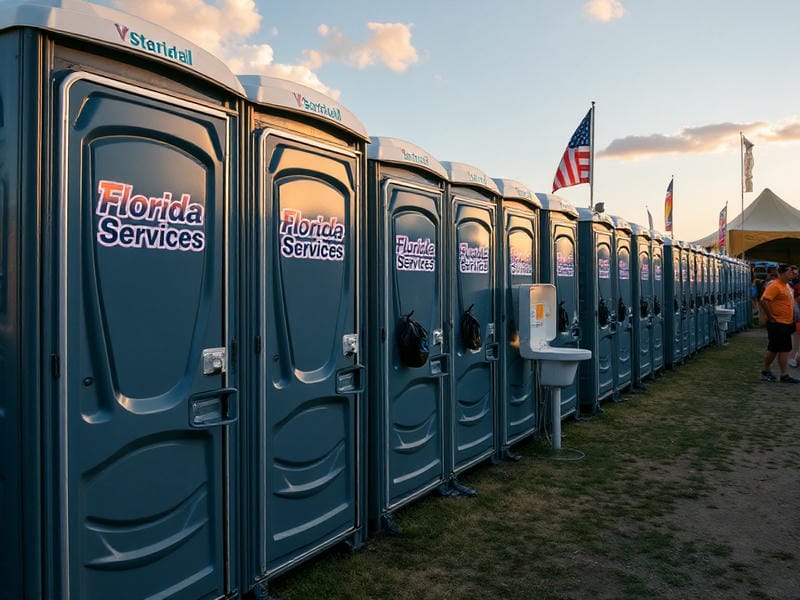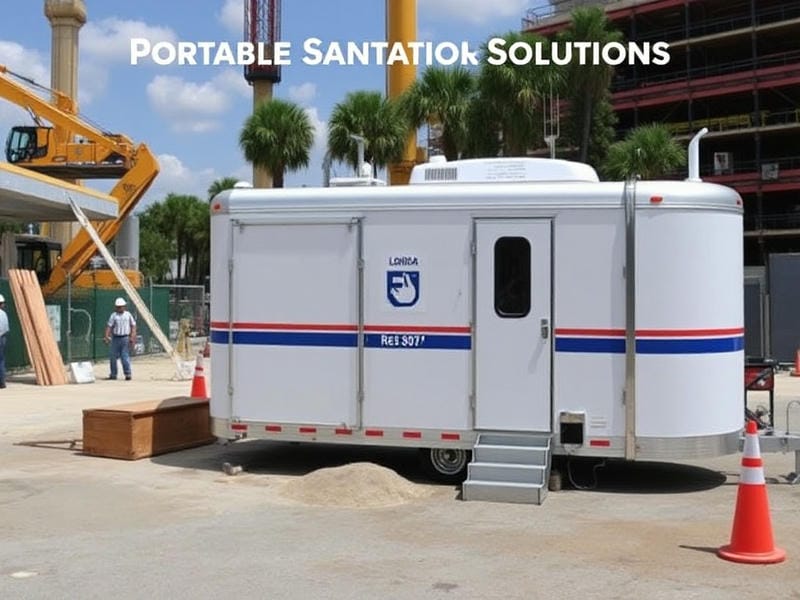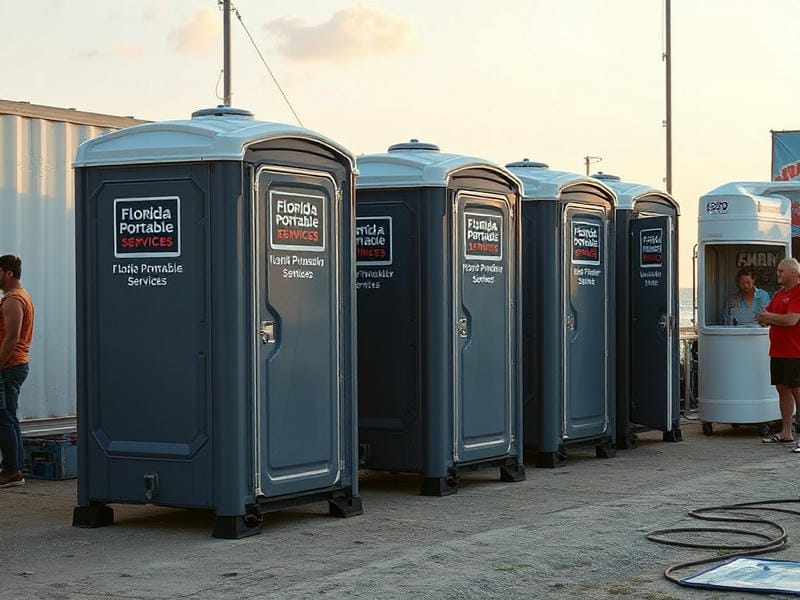
In recent years, the portable sanitation industry has seen a growing emphasis on sustainable practices, driven by an increasing awareness of environmental issues and the need for eco-friendly waste management solutions. As society becomes more conscious of its ecological footprint, the call for greener approaches in all sectors has intensified. Portable sanitation services can accommodate large crowds with ease. Gainesville portable toilet rental trunk. The portable sanitation industry, which provides essential services in various settings such as construction sites, outdoor events, and disaster relief operations, is no exception to this trend.
The importance of sustainable practices in this industry cannot be overstated. Portable restrooms are a necessary convenience in many scenarios where permanent facilities are unavailable or impractical. However, traditional waste management methods associated with these units have raised concerns about their impact on the environment. From chemical deodorizers to non-biodegradable materials used in construction, several aspects can contribute to pollution and resource depletion if not managed properly.
One of the primary reasons eco-friendly waste management is crucial is its potential to reduce harmful effects on the environment. By adopting biodegradable materials and environmentally safe chemicals, the industry can significantly minimize its carbon footprint and decrease pollution levels. For instance, using eco-friendly deodorizers that break down naturally without leaving toxic residues helps preserve local ecosystems while maintaining hygiene standards.
Moreover, implementing sustainable practices often translates into long-term economic benefits for companies within the industry. Sustainable technologies tend to be more efficient and less reliant on finite resources, leading to cost savings over time. For example, water-saving technologies in portable restrooms not only conserve a critical natural resource but also reduce operational costs related to water usage and disposal.
Innovation plays a key role in driving sustainability within the portable sanitation sector. Advances in technology have led to developments like solar-powered units that utilize renewable energy sources instead of relying solely on traditional power grids or fossil fuels. Additionally, modern composting toilets offer an alternative by turning human waste into usable compost rather than treating it as mere refuse needing disposal.
Adopting a circular economy mindset further enhances sustainability efforts by focusing on reducing waste through recycling and reusing materials wherever feasible.
Public perception is another factor bolstering demand for sustainable solutions within this field; consumers increasingly favor businesses demonstrating genuine commitment towards protecting our planet's future through responsible practices across all operations including temporary restroom provisions at public events or remote work sites alike! Consequently embracing green initiatives not only aligns companies better ethically but also enhances brand reputation among discerning clientele seeking environmentally-conscious partners
In conclusion: exploring eco-friendly waste management options represents an essential step forward ensuring both environmental protection & financial viability remain priorities amidst ever-evolving demands placed upon resources worldwide today - making sustainable practices indispensable component shaping future direction taken throughout entire portable sanitation industry landscape moving ahead!
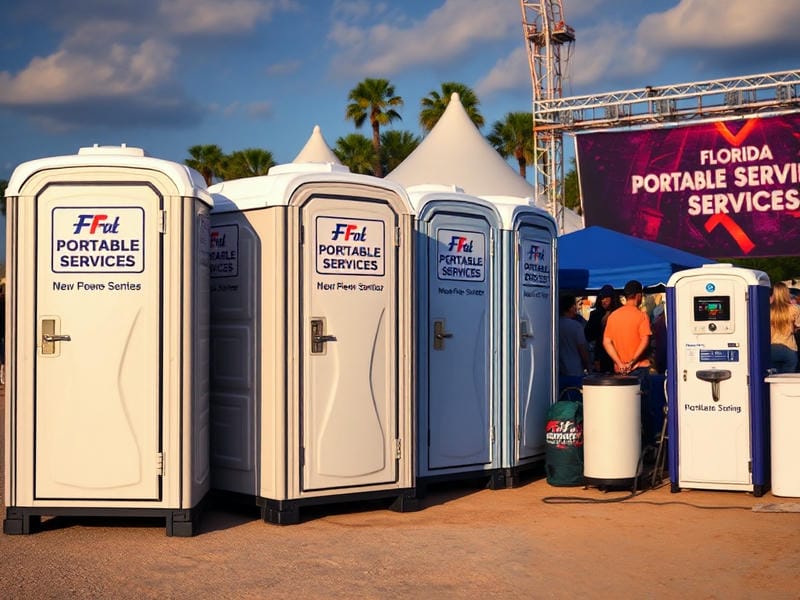
In recent years, the heightened awareness around environmental sustainability has prompted an urgent reevaluation of waste management practices across various sectors. One area that poses unique challenges is the management of waste in temporary restrooms, which are often used at construction sites, outdoor events, and in remote locations lacking permanent facilities. These portable solutions, while providing essential sanitary services, also present significant environmental concerns due to their traditional reliance on chemical-laden cleaning agents and non-biodegradable materials.
The most pressing challenge in managing waste from temporary restrooms is the sheer volume generated within a short period. Events such as music festivals or large public gatherings can produce substantial amounts of human waste that need immediate and efficient disposal. Traditional methods typically involve the use of chemicals like formaldehyde to control odors and break down waste, which can be harmful to both human health and the environment upon eventual disposal.
Moreover, the logistics surrounding the collection and treatment of this waste present another layer of complexity. Temporary restrooms require regular maintenance to ensure hygiene standards are met, involving frequent transportation to off-site treatment facilities. This process not only incurs significant fuel costs but also contributes to carbon emissions.
In response to these challenges, there is a growing impetus toward exploring eco-friendly alternatives for waste management in temporary restrooms. One promising avenue is the development of biodegradable toilet liners and eco-friendly deodorizers that minimize environmental impact without sacrificing effectiveness. Additionally, some companies are investing in waterless or composting toilet models that facilitate natural decomposition processes through aerobic digestion.
Another innovative approach involves integrating renewable energy sources into restroom designs. Solar-powered ventilation systems can reduce reliance on chemical deodorizers by improving air circulation naturally. Similarly, initiatives utilizing biogas production from collected human waste offer dual benefits: reducing landfill contributions while generating clean energy.
Collaboration between event organizers, sanitation companies, and local governments plays a crucial role in advancing these sustainable practices. By prioritizing environmental stewardship through policy incentives or subsidies for green technologies, stakeholders can foster widespread adoption of eco-friendly solutions.
Ultimately, addressing the current challenges in waste management for temporary restrooms requires a multi-faceted strategy combining innovation with sustainability principles. As technology continues to evolve alongside increased ecological awareness among consumers and industry leaders alike, there lies great potential for transforming this critical aspect of public infrastructure into an exemplar of modern environmental responsibility.
In recent years, the conversation around sustainability and environmental responsibility has gained significant momentum.. As we face pressing ecological challenges, industries across the globe are re-evaluating their practices to align with green principles.
Posted by on 2024-10-14
When planning an event, especially one that prioritizes sustainability, choosing the right eco-friendly portable restroom provider is crucial.. Not only does it ensure the comfort and convenience of your guests, but it also reflects a commitment to environmental responsibility.
Posted by on 2024-10-14
In an era where environmental sustainability has become a paramount concern, the quest for innovative eco-friendly solutions and technologies in waste disposal is more pressing than ever. This is particularly true when it comes to managing waste from temporary restrooms, which are ubiquitous at events, construction sites, and remote locations. These facilities, though temporary in nature, have a significant environmental footprint due to the sheer volume of waste they generate. Thus, exploring sustainable strategies for their waste management is crucial.
One of the promising advancements in this domain is the development of biodegradable materials for restroom components. Traditional portable toilets often rely on plastics that contribute to long-term environmental degradation. By shifting to biodegradable alternatives, we can significantly reduce the ecological impact of these temporary installations. These materials not only decompose more rapidly but also do so without releasing harmful substances into the environment.
In addition to material innovation, there are emerging technologies aimed at improving waste processing itself. For instance, advanced microbial treatments can be employed to break down human waste more efficiently within portable sanitation units. These biological solutions not only accelerate decomposition but also minimize odors and pathogens, making them ideal for densely populated areas where hygiene is a top priority.
Another exciting development is the integration of composting systems into temporary restroom setups. Composting toilets utilize aerobic bacteria to transform human waste into nutrient-rich compost that can be safely returned to the soil. This closed-loop system not only reduces landfill burden but also enhances soil fertility-a win-win situation for both urban and rural applications.
Solar-powered ventilation systems offer yet another avenue for eco-friendly innovation. By harnessing solar energy, these systems improve air circulation within restrooms without relying on grid electricity or fossil fuels. Enhanced ventilation not only increases user comfort but also aids in controlling humidity levels-factors that are critical for maintaining cleanliness and reducing maintenance needs.
Moreover, digital technology plays a pivotal role in optimizing the management of temporary restroom facilities. Smart sensors can monitor usage patterns and alert service providers when maintenance or waste removal is required. This real-time data enables more efficient scheduling of services, reducing unnecessary trips and associated emissions while ensuring clean and functional restrooms are always available.
Finally, public awareness and education cannot be overlooked as part of this holistic approach towards eco-friendly waste management in temporary restrooms. Encouraging responsible usage practices among users through clear signage and information campaigns can dramatically reduce misuse and wastage.
In conclusion, while challenges remain in completely neutralizing the environmental impact of temporary restroom facilities, ongoing innovation offers promising pathways towards sustainability. By adopting a multi-pronged approach that combines material science advances with cutting-edge processing technologies and smart data management-alongside fostering public engagement-we can make significant strides toward achieving greener event spaces and construction sites worldwide. The adoption of these innovative eco-friendly solutions reflects a broader commitment to preserving our planet's health while addressing immediate sanitation needs efficiently and responsibly.

In recent years, the global emphasis on sustainability has permeated various industries, including those that may seem unlikely candidates for green transformation. One such industry is portable restroom services, which play a critical role in events, construction sites, and other temporary settings. Implementing eco-friendly waste management practices in this sector not only contributes to environmental conservation but also offers numerous benefits that extend beyond mere ecological impact.
First and foremost, adopting green practices in portable restroom services significantly reduces the environmental footprint of these facilities. Traditional portable restrooms often rely on chemical treatments and non-biodegradable materials that can harm ecosystems when disposed of improperly. By transitioning to biodegradable deodorizers and cleaning agents, companies can minimize their reliance on harsh chemicals that pollute soil and waterways. Additionally, using renewable energy sources to power sanitation units further decreases carbon emissions associated with traditional fuel consumption.
Moreover, implementing eco-friendly waste management strategies can lead to substantial cost savings for businesses over time. While the initial investment in sustainable technologies or materials might be higher than conventional options, the long-term financial returns are undeniable. For instance, water-saving fixtures and composting toilets reduce water usage significantly-an essential factor given the increasing scarcity of water resources globally. Lower water consumption translates into reduced utility bills and less frequent need for sewage disposal services.
Beyond economic advantages, green practices in portable restroom services also enhance public perception and customer satisfaction. Today's consumers are more environmentally conscious than ever before; they prefer doing business with companies that demonstrate commitment to sustainability. By offering eco-friendly restroom solutions at events or construction sites, service providers can differentiate themselves from competitors and attract clients who prioritize ecological responsibility.
Furthermore, fostering a culture of sustainability within an organization boosts employee morale by aligning company values with those of its workforce. Employees take pride in working for a business that actively contributes to preserving natural resources for future generations-a factor increasingly important in attracting top talent across industries.
Finally, investing in greener technologies fosters innovation within the industry as stakeholders continually seek new ways to improve efficiency while minimizing impact on nature's delicate balance. This drive towards continuous improvement ensures that businesses remain at the forefront of technological advancements while positioning themselves as leaders advocating positive change throughout their communities.
In conclusion, exploring eco-friendly waste management solutions offers myriad benefits when applied within temporary restrooms through sustainable initiatives such as biodegradable products or alternative energy sources-enhancing both operational efficiency alongside corporate reputation amidst growing demands toward social responsibility worldwide today!
In recent years, the increasing global awareness of environmental sustainability has prompted various industries to rethink their waste management practices. Among these sectors, the sanitation industry-particularly in the context of temporary restrooms used at events, construction sites, and remote locations-has made significant strides towards eco-friendly waste management. As society becomes more environmentally conscious, case studies highlighting successful eco-friendly waste management initiatives offer valuable insights into sustainable practices that can be emulated and adapted by others.
One noteworthy example is a project undertaken at a major music festival in Europe. The festival organizers collaborated with an innovative sanitation company to deploy an array of eco-friendly temporary restrooms designed specifically for large-scale public gatherings. These restrooms utilized composting technology that not only reduced the volume of waste but also transformed it into useful compost material. The initiative significantly minimized reliance on chemical-based solutions typically used in portable toilets, reducing both environmental impact and potential contamination risks.
The success of this project lay in its holistic approach: it combined advanced technology with community engagement. Attendees were not just passive users but active participants in sustainability efforts. Through educational campaigns and clear signage, festival-goers learned about the importance of proper restroom usage and waste separation. This participatory model fostered a sense of collective responsibility among attendees and highlighted how individual actions contribute to broader ecological goals.
Another inspiring case study comes from a construction company operating in urban environments across North America. Recognizing the need for sustainable practices within their industry, this company introduced solar-powered temporary restrooms equipped with water-saving fixtures and biodegradable cleaning supplies. By harnessing renewable energy sources, they drastically cut down on carbon emissions associated with traditional diesel-powered units.
Moreover, they implemented a closed-loop system where wastewater was treated on-site using microbial digestion processes before being safely reintroduced into local water systems or repurposed for non-potable uses such as dust control on construction sites. This innovative practice not only conserved valuable resources but also showcased how technology can be leveraged to create circular economies within traditionally linear industries.
These case studies demonstrate that successful eco-friendly waste management initiatives often stem from collaboration between different stakeholders: businesses willing to invest in sustainable technologies, consumers ready to embrace new habits, and regulatory bodies providing supportive policy frameworks. They highlight that while challenges remain-such as initial costs or logistical complexities-the long-term environmental benefits far outweigh these obstacles.
As we continue exploring eco-friendly waste management solutions for temporary restrooms worldwide, learning from these pioneering examples is crucial. By understanding what works-and why-it becomes possible not only to improve existing systems but also to inspire further innovation within this essential yet often overlooked aspect of modern life.
Ultimately, transitioning towards more sustainable practices requires both forward-thinking leadership and widespread cultural shifts towards valuing our planet's finite resources over short-term conveniences-a journey well worth undertaking if we are committed to leaving behind a healthier world for future generations.
In recent years, the focus on sustainability has permeated various aspects of daily life, and waste management for temporary restrooms is no exception. As environmental awareness grows, it is crucial to explore eco-friendly waste management solutions that cater to the unique challenges posed by temporary restroom facilities. These facilities, often used at festivals, construction sites, or outdoor events, require innovative approaches to minimize their environmental footprint while maintaining hygiene standards and user convenience.
One of the most promising trends in sustainable waste management for temporary restrooms is the adoption of composting toilet systems. Unlike traditional chemical toilets that rely on harsh substances to break down waste, composting toilets use natural processes to decompose human waste into nutrient-rich compost. This method not only reduces reliance on chemicals but also minimizes water usage-an essential consideration given global water scarcity issues. By integrating composting systems into temporary restrooms, organizers can significantly cut down on environmental impact while providing a more sustainable sanitation solution.
Another avenue worth exploring is the use of biodegradable materials in restroom construction and maintenance. Traditional portable toilets are often made from non-recyclable plastics that contribute to landfill accumulation once they reach the end of their lifecycle. By shifting towards biodegradable materials or recyclable components in the design and manufacturing process, companies can reduce long-term waste and promote a circular economy approach in this sector.
Technological advancements also present opportunities for eco-friendly waste management in temporary restrooms. IoT (Internet of Things) devices can be employed to monitor usage patterns, optimize cleaning schedules, and manage resource allocation efficiently. For instance, sensors can alert service providers when a unit needs emptying or cleaning, reducing unnecessary trips and fuel consumption associated with maintenance vehicles. This data-driven approach not only enhances operational efficiency but also minimizes carbon emissions related to restroom servicing.
Moreover, partnerships between event organizers and local municipalities could facilitate more effective waste collection strategies tailored specifically for temporary setups. By collaborating with municipal services that specialize in recycling or composting programs, event coordinators can ensure proper disposal methods are employed post-event-thereby aligning with broader community sustainability goals.
Educating users about responsible restroom practices also plays a vital role in fostering an environment-conscious mindset among attendees at events utilizing these facilities. Simple measures such as signage promoting minimal toilet paper use or encouraging hand sanitizer over water-intensive handwashing can make significant differences when scaled across large crowds.
As we look towards future trends in sustainable waste management for temporary restrooms, it becomes clear that innovation must go hand-in-hand with collaboration; stakeholders across industries need to work together towards developing comprehensive strategies that balance user needs with ecological responsibilities.
In conclusion, exploring eco-friendly options within this niche yet impactful area of sanitation requires creativity combined with commitment from manufacturers through consumers alike-a collective effort aimed at redefining what constitutes waste' into opportunities for resource conservation and environmental stewardship moving forward into greener horizons ahead.