Greener Waste Management for the Portable Restroom Industry

Greener Waste Management for the Portable Restroom Industry

Importance of Sustainable Practices in the Portable Sanitation Industry

The environmental impact of traditional waste disposal methods is a pressing concern, especially in niche industries like the portable restroom sector. This industry, though often overlooked, plays a crucial role in providing sanitary solutions for outdoor events, construction sites, and disaster relief operations. However, the conventional methods of managing waste from these restrooms pose significant environmental challenges that necessitate a shift towards greener waste management practices.


Traditionally, waste from portable restrooms is collected and transported to treatment facilities or landfills. This process involves several steps that contribute to environmental degradation. Firstly, the transportation of waste requires fuel consumption which results in greenhouse gas emissions. Given the frequency and distance often involved in moving waste to treatment facilities, this can represent a substantial carbon footprint.


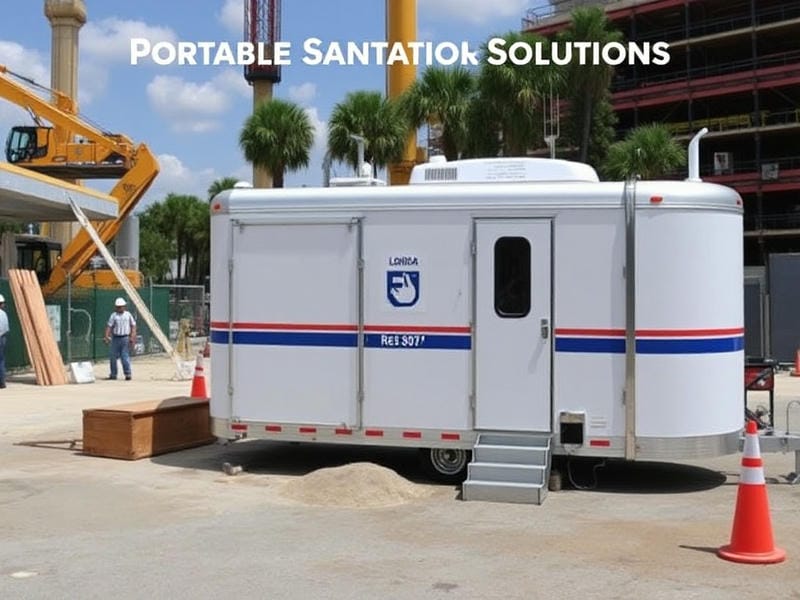
Moreover, once at the landfill or treatment facility, the decomposition of human waste can release methane-a potent greenhouse gas-into the atmosphere. Restroom trailers are perfect for upscale events requiring luxury facilities. port a potty rental near me portable toilet. Landfills are also associated with leachate production, where liquid seeps through the waste material and can contaminate soil and groundwater with harmful substances. These traditional disposal methods not only impact air quality but also threaten local ecosystems by potentially introducing pathogens into natural water bodies.


In addition to these direct impacts, there is an overarching issue related to resource inefficiency in traditional waste management systems. The lack of sustainable practices means valuable nutrients present in human waste are often lost instead of being recovered and repurposed for agricultural use or energy production.


Recognizing these concerns is pivotal as we move towards greener solutions in waste management within the portable restroom industry. Innovative technologies such as composting toilets offer promising alternatives by treating human waste on-site through aerobic decomposition processes that convert it into nutrient-rich compost without relying on extensive transport or centralized processing facilities.


Furthermore, advancements in anaerobic digestion provide opportunities to capture methane emissions for energy generation rather than allowing them to escape into the environment unchecked. By integrating these technologies with smart logistics planning and renewable energy-powered vehicles for any necessary transport tasks remaining unavoidable due to location constraints; companies can significantly curtail their ecological footprint while maintaining high standards of hygiene service delivery.


Ultimately transitioning away from environmentally detrimental traditional disposal practices requires both technological innovation and regulatory support alongside public awareness initiatives about sustainable options available today already transforming how industries manage their residuals responsibly tomorrow ensuring minimal negative effects upon our shared planet's health long-term viability alike importantly empowering stakeholders across all sectors collaboratively drive meaningful change together toward achieving truly circular economy objectives fully realized at last beyond mere aspirational rhetoric alone too often heard yet seldom acted upon decisively enough until now finally perhaps poised truly alter course chart new path forward brighter future awaits us all if only dare embrace challenge head-on collectively united purpose conviction unwavering resolve unyielding dedication better world possible always worth striving passionately pursue relentlessly regardless obstacles encountered along way whatsoever never forget ultimately greatest rewards await those willing risk everything gain nothing less than everything imaginable midst greatest journey ever embarked humanity history itself unfolding before very eyes every single day anew thrilling adventure limitless potential endless possibilities abound forevermore beckoning call answer echo resoundingly clear unmistakable urgency paramount importance paramountcy undeniably evident times indeed changing rapidly pace unprecedented scope scale magnitude hitherto unimaginable yet tangible attainable reachable grasp should choose seize moment wholeheartedly commitment unwaveringly steely determination unshakeable belief power positive transformative action capable bringing dreams reality fruition fulfillment fullest extent conceivable achievable realistic practical terms feasible applicable contexts situations scenarios circumstances arise naturally organically seamlessly effortlessly harmoniously synergistically synchronously symbiotically mutually beneficially advantageously optimally efficiently effectively sustainably equitably inclusively comprehensively universally ubiquitously globally locally regionally nationally internationally intergenerationally
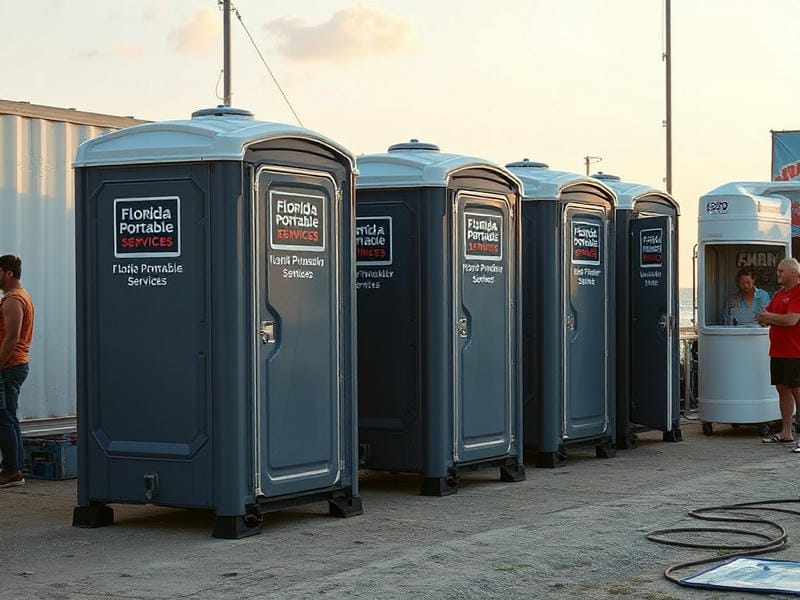
In recent years, the portable restroom industry has witnessed a transformative shift towards greener waste management, driven by innovations in sustainable materials. As environmental concerns mount and the urgency to reduce our ecological footprint intensifies, the sector is responding with creative solutions that promise both functionality and sustainability.


At the heart of this green revolution is the use of biodegradable materials in the construction and operation of portable restrooms. Traditional units often rely on plastics and other non-renewable resources; however, advancements in material science have paved the way for alternatives such as bioplastics derived from plant-based resources like cornstarch or sugarcane. These materials are not only renewable but also decompose much faster than conventional plastics, reducing landfill waste significantly.


Moreover, manufacturers are experimenting with composite materials that incorporate recycled content without compromising on durability or performance. For instance, some companies have begun using recycled wood fibers or bamboo composites to create robust structures for restroom cabins. These materials not only lessen reliance on virgin raw inputs but also lend an appealing aesthetic that blends harmoniously with natural surroundings at outdoor events.


Beyond structural components, innovations extend to internal systems as well. The development of waterless urinals and low-flush toilets are examples of efforts to minimize water consumption-a critical aspect given growing global water scarcity issues. Coupled with advanced odor control technologies utilizing natural enzymes rather than chemical agents, these features enhance user experience while maintaining eco-friendly credentials.


Additionally, smart technology plays a pivotal role in optimizing waste management processes within portable restrooms. Sensors that monitor usage patterns can help operators manage cleaning schedules more efficiently, ensuring hygiene standards while conserving resources like water and cleaning products. This data-driven approach enables a proactive stance towards maintenance and can even prompt timely emptying of waste tanks before they reach capacity.


One notable innovation is composting toilets tailored for mobile applications. These systems break down human waste into compostable material through aerobic decomposition facilitated by microorganisms-a process requiring minimal external energy input. The resultant product can be used as nutrient-rich fertilizer, closing the loop in a circular economy model.


The push towards sustainability in portable restrooms is further reinforced by regulations encouraging reduced environmental impact across industries. Governments worldwide are increasingly mandating stricter compliance with eco-friendly standards, incentivizing companies to invest in research and development aimed at sustainable practices.


While challenges remain-such as cost implications associated with transitioning to new technologies and potential resistance from stakeholders accustomed to traditional methods-the momentum towards greener waste management solutions continues unabated. The industry's commitment to sustainability not only aligns with global environmental goals but also caters to an increasingly conscientious consumer base demanding responsible business practices.


In conclusion, innovations in sustainable materials represent a promising frontier for the portable restroom industry's quest for greener waste management solutions. Through strategic investment in research and adoption of cutting-edge technologies, this sector is poised to play an integral role in fostering a more sustainable future-one where convenience does not come at the expense of our planet's health.


Greener Waste Management for the Portable Restroom Industry - pride

  1. water
  2. heat
  3. towel

Sustainable Waste Management Enhanced by Green Portable Restroom Rentals

Sustainable Waste Management Enhanced by Green Portable Restroom Rentals

The future of sustainable waste management practices holds immense promise, particularly with the innovative integration of green portable restroom rentals.. As our global population continues to burgeon, so does the volume of waste we generate.

Posted by on 2024-10-14

Portable Restrooms Support Environmentally Friendly Waste Disposal

Portable Restrooms Support Environmentally Friendly Waste Disposal

In today's world, where environmental conservation has become an urgent priority, every facet of our lives is being reevaluated to ensure a sustainable future.. Among the many innovations contributing to this cause are portable restrooms, which have emerged as a vital solution for eco-friendly events and sites.

Posted by on 2024-10-14

The Role of Portable Restrooms in Sustainable Waste Management Strategies

The Role of Portable Restrooms in Sustainable Waste Management Strategies

In recent years, the conversation surrounding sustainability has expanded beyond traditional sectors to include more nuanced areas such as waste management.. One area that has emerged as both a challenge and an opportunity is the integration of portable restrooms into sustainable waste management strategies.

Posted by on 2024-10-14

Innovative Eco-Friendly Solutions and Technologies for Waste Disposal

In recent years, the call for more sustainable practices in various industries has grown increasingly louder, and the portable restroom industry is no exception. As this sector continues to expand, so does its potential impact on the environment. In response, there is an urgent need to adopt greener waste management strategies that not only reduce waste generation but also enhance recycling efforts. By doing so, the industry can significantly mitigate its environmental footprint while promoting sustainability.


First and foremost, a critical strategy for reducing waste in the portable restroom industry is implementing efficient design innovations. Manufacturers can explore eco-friendly materials that are biodegradable or easier to recycle than traditional plastic components. Utilizing renewable resources such as bioplastics made from corn starch or sugarcane can contribute to lessening environmental harm and decreasing dependency on fossil fuels. Moreover, designing restrooms with modular components can allow for easy replacement of parts rather than discarding entire units when maintenance is required.


Additionally, optimizing logistics and operations plays a substantial role in minimizing waste generation. Efficient route planning for service vehicles can lead to reduced fuel consumption and emissions by ensuring that restrooms are serviced at optimal intervals rather than unnecessarily frequent visits. Implementing digital tracking systems can help monitor usage patterns and alert operators when maintenance is actually needed, thus preventing over-servicing and reducing resource wastage.


Recycling efforts within the portable restroom industry can be enhanced through strategic partnerships and collaborations with recycling facilities. Establishing dedicated collection points for used components like tanks or seats enables these items to be systematically processed for recycling rather than ending up in landfills. Encouraging manufacturers to incorporate recycled materials into new products further closes the loop by fostering a circular economy.


Moreover, education and awareness campaigns targeted at both consumers and stakeholders within the industry are paramount in promoting greener practices. Providing clear instructions on proper usage and maintenance of portable restrooms helps prevent misuse that could lead to unnecessary repairs or replacements. Training staff members about sustainable cleaning practices using environmentally friendly products reduces harmful chemical releases into ecosystems.


The integration of technology also presents opportunities for advancing sustainable waste management solutions within this field. Sensor-based monitoring systems installed inside units can provide real-time data on fill levels, enabling timely servicing without excess travel or under-utilization of resources.


Furthermore, incentivizing customers who choose eco-friendly options encourages broader adoption across various events where portable restrooms are utilized-from music festivals to construction sites-thereby raising demand for these greener alternatives throughout different sectors.


Greener Waste Management for the Portable Restroom Industry - air conditioning

  1. air conditioning
  2. pride
  3. towel

In conclusion, embracing strategies aimed at reducing waste generation while enhancing recycling efforts represents not just an opportunity but an imperative within today's environmentally conscious landscape-especially pertinent given burgeoning concerns regarding climate change impacts worldwide along with increasing populations necessitating improved sanitation infrastructure globally overall too! Through innovative designs coupled alongside optimized operations plus concerted educational outreach initiatives supported via technological advancements collectively working together synergistically towards common goals ultimately achieving meaningful progress toward truly sustainable greener future possible indeed attainable achievable if embraced wholeheartedly committedly conscientiously responsibly now more than ever before!

Innovative Eco-Friendly Solutions and Technologies for Waste Disposal

Benefits of Implementing Green Practices in Portable Restroom Services

In recent years, the global emphasis on sustainable practices has spurred significant advancements in waste management across various industries. Among these, the portable restroom industry presents unique challenges and opportunities in striving for greener waste management solutions. The role of technology in enhancing waste treatment and management efficiency is pivotal, offering innovative approaches to minimize environmental impact while maximizing resource recovery.


At the forefront of this technological revolution is the adoption of advanced waste treatment systems that transform human waste into valuable resources. Traditional methods often rely on chemical treatments that can pose environmental risks; however, modern technologies are introducing biological treatment systems that leverage microbial processes to break down waste more effectively. These systems not only reduce harmful emissions but also produce biogas-a renewable energy source-and nutrient-rich fertilizers that can be repurposed for agricultural use.


Moreover, smart monitoring and data analytics have emerged as powerful tools to enhance operational efficiency within the portable restroom industry. Sensors embedded in restrooms can provide real-time data on fill levels and usage patterns, enabling service providers to optimize their collection schedules and routes. This reduces unnecessary fuel consumption and minimizes carbon footprints, aligning with broader sustainability goals.


The integration of Internet of Things (IoT) technologies further refines these processes by allowing remote monitoring and control over waste treatment facilities. IoT devices can alert operators to any system malfunctions or inefficiencies, ensuring prompt interventions that prevent environmental contamination or operational downtime. Additionally, IoT-enabled systems facilitate predictive maintenance strategies by analyzing equipment performance data to forecast potential issues before they escalate into costly repairs.


Furthermore, advancements in material science contribute significantly to greener practices within the portable restroom industry. The development of biodegradable and recyclable materials for restroom units reduces landfill dependency and promotes circular economy principles. By designing products with end-of-life considerations in mind, manufacturers are able to lessen their ecological footprint while meeting consumer demand for environmentally responsible solutions.


Incorporating renewable energy sources into portable restroom operations represents another promising avenue for sustainable improvement. Solar panels installed on units provide a clean power supply for lighting and ventilation systems, reducing reliance on non-renewable energy sources. This not only cuts down operational costs but also demonstrates a commitment to eco-friendly practices that resonate with environmentally conscious consumers.


Lastly, public awareness campaigns supported by digital platforms play an essential role in promoting responsible usage and disposal behaviors among users. Educational initiatives delivered through mobile applications or social media channels can inform users about proper sanitation practices and encourage participation in recycling programs associated with portable restrooms.


In conclusion, technology serves as a cornerstone in advancing greener waste management within the portable restroom industry. From innovative treatment systems that convert waste into resources to smart technologies optimizing logistics and operations, these developments collectively pave the way towards a more sustainable future. As technological capabilities continue to evolve, so too will the potential for achieving greater efficiencies and reduced environmental impacts-ultimately benefiting both businesses and our planet alike.

Case Studies Highlighting Successful Eco-Friendly Waste Management Initiatives

In recent years, the portable restroom industry has faced increased scrutiny over its environmental impact, particularly in terms of waste management. With a growing emphasis on sustainability and eco-friendly practices across industries, companies within this sector are exploring greener waste management solutions to minimize their carbon footprint and promote environmental stewardship. This essay examines several successful case studies of portable restroom businesses that have implemented innovative green practices.


One notable example is a company that introduced composting toilets as an alternative to traditional chemical-based models. Composting toilets utilize natural processes to break down human waste into compost, significantly reducing the need for chemical treatments and water usage. This approach not only decreases the environmental impact but also provides a sustainable product for agricultural purposes. By partnering with local farms and gardens, the company has created a closed-loop system where waste is transformed into valuable resources, demonstrating a practical application of circular economy principles.


Another successful implementation of greener practices can be seen in a firm that adopted solar-powered units. These restrooms are equipped with solar panels that generate electricity to power lights, ventilation systems, and hand-washing stations. This innovation eliminates the reliance on external power sources or batteries, thereby reducing energy consumption and emissions associated with traditional portable restrooms. The company reported significant cost savings over time due to reduced energy expenses while also enhancing user experience with well-lit and ventilated facilities.


Water conservation is another critical area where greener practices have been successfully deployed. For instance, some companies have installed low-flow fixtures and sensor-activated faucets in their units to minimize water use without compromising hygiene standards. Additionally, rainwater harvesting systems have been integrated into restroom designs to collect and repurpose rainwater for flushing toilets or cleaning purposes. These measures not only conserve precious water resources but also help companies comply with increasingly stringent regulations regarding water usage.


Furthermore, many businesses are taking advantage of biodegradable materials for manufacturing portable restrooms themselves. Using materials such as recycled plastics or plant-based composites reduces dependence on non-renewable resources while ensuring end-of-life biodegradability or recyclability of the units.


The shift towards greener waste management within the portable restroom industry is driven by both regulatory pressures and consumer demand for sustainable solutions. Companies that have embraced these changes have not only improved their environmental performance but also gained competitive advantages in an increasingly eco-conscious market.


In conclusion, successful case studies from the portable restroom industry highlight that it is possible to implement greener waste management practices effectively without sacrificing functionality or profitability. By adopting innovations such as composting toilets, solar energy utilization, water-saving technologies, and sustainable materials, these companies are setting new standards for environmentally responsible operations in the sector. As more businesses follow suit, the collective impact could lead to significant positive outcomes for both the industry and our planet's health.

In recent years, the pressing need for sustainable waste management practices has become increasingly apparent across various industries. Among these, the portable restroom industry stands out due to its unique challenges and significant environmental footprint. As this sector continues to expand, developing a robust regulatory framework and implementing incentives for greener waste management practices have become crucial.


A comprehensive regulatory framework is essential for guiding the portable restroom industry toward sustainable operations. This involves establishing clear guidelines that dictate how waste should be handled, treated, and disposed of in an environmentally friendly manner. Regulations could mandate the use of biodegradable materials for construction and encourage the adoption of eco-friendly cleaning agents that minimize harmful chemical runoff. Furthermore, setting standards for waste treatment technologies can drive innovation and ensure that companies adopt methods that reduce environmental impact.


Governmental bodies play a pivotal role in enforcing these regulations. By conducting regular inspections and audits, they can ensure compliance among businesses operating in this industry. Penalties for non-compliance must be substantial enough to deter improper waste management practices while simultaneously encouraging adherence to established guidelines. However, regulation alone may not suffice; offering incentives can further motivate companies to pursue sustainable initiatives actively.


Incentives can take various forms, such as tax breaks or grants for businesses that demonstrate a commitment to reducing their environmental impact through innovative waste management solutions. For instance, companies investing in advanced treatment technologies or those achieving significant reductions in water usage might qualify for financial benefits. Additionally, recognition programs that highlight industry leaders excelling in sustainable practices can foster healthy competition and inspire others to follow suit.


Collaboration between governmental agencies, environmental organizations, and industry stakeholders is vital for developing effective regulatory frameworks and incentive programs. By engaging all relevant parties in discussions about best practices and emerging technologies, policymakers can create legislation tailored to the industry's specific needs while keeping sustainability at its core.


Public awareness campaigns also play an important role by informing consumers about the significance of choosing companies committed to green practices when renting portable restrooms. Increasing demand for environmentally responsible options will naturally push businesses toward adopting more sustainable models.


In conclusion, establishing a regulatory framework complemented by strategic incentives is crucial for promoting greener waste management within the portable restroom industry. Such measures drive compliance with environmentally sound practices while fostering innovation and competitiveness among businesses striving towards sustainability goals. By prioritizing these efforts today, we pave the way for a cleaner future where convenience does not come at the expense of our planet's health.

As the world continues to grapple with the pressing challenges of environmental sustainability, industries across the board are seeking innovative ways to reduce their ecological footprint. The portable restroom industry, often overlooked in discussions about green advancements, is no exception. This sector presents unique opportunities for greener waste management practices that could significantly contribute to broader environmental goals.


One of the most promising trends in this field is the development and use of biodegradable materials for portable restrooms. Traditional portable toilets are often made from plastic and other non-renewable resources that contribute to landfill waste at the end of their lifecycle. However, by utilizing biodegradable materials, companies can ensure that these units break down more naturally over time, thus reducing their impact on landfills and ecosystems.


Greener Waste Management for the Portable Restroom Industry - towel

  1. water
  2. heat
  3. water

Another key opportunity lies in advanced waste treatment technologies. Current chemical treatments used in portable restrooms can be harmful to the environment if not properly managed. However, new biological and enzymatic treatments are being developed that offer a more eco-friendly alternative by breaking down waste into harmless compounds without leaving toxic residues. These innovations not only improve sanitation but also align with global efforts to minimize chemical pollutants.


The integration of solar power is another exciting advancement in the realm of greener portable restrooms. By equipping units with solar panels, it's possible to power lighting and ventilation systems without relying on external energy sources or batteries that need frequent replacement. This reduces both carbon emissions and operational costs while enhancing user comfort.


Moreover, water conservation techniques such as vacuum-flush systems can drastically reduce water usage compared to traditional flush methods. By minimizing water consumption, these systems lessen the strain on local resources an especially important consideration during droughts or in areas with scarce water supplies.


Recycling initiatives present yet another avenue for green progress within this industry. Many components of portable restrooms can be recycled or repurposed at the end of their life cycle instead of being discarded as waste. Establishing robust recycling programs would not only save resources but also encourage a circular economy approach within the sector.


Finally, digital technology offers substantial opportunities for optimizing waste management logistics through data analytics and IoT (Internet of Things) solutions. Smart sensors can monitor fill levels and usage patterns in real-time, allowing operators to schedule maintenance more efficiently and reduce unnecessary travel emissions associated with servicing routes.


In conclusion, while challenges remain in implementing greener practices within the portable restroom industry due to factors like cost constraints or regulatory hurdles-progress is undeniably underway thanks to technological innovations coupled with a growing commitment towards sustainability from stakeholders at all levels-from manufacturers down through local governments responsible for public sanitation services alike . As these trends continue developing further alongside heightened awareness about environmental issues globally , there exists significant potential for transformative change benefiting both businesses involved directly along consumers indirectly too who increasingly demand cleaner options wherever they go today .

Implementing Eco-Friendly Practices in Waste Management