Understanding Different Types of Waste is a fundamental component in the broader discourse of Best Practices for Environmentally Responsible Waste Disposal. As we navigate the complexities of waste management, it becomes increasingly crucial to categorize and comprehend the diverse types of waste we generate. This understanding not only aids in effective disposal but also plays an integral role in environmental conservation and sustainability.
At its core, waste can be classified into several categories, including municipal solid waste (MSW), hazardous waste, industrial waste, and electronic waste (e-waste). Municipal solid waste is perhaps the most familiar type, encompassing household trash such as paper, food scraps, plastics, and other typical refuse. This type of waste often ends up in landfills or incineration facilities if not properly managed through recycling or composting programs.
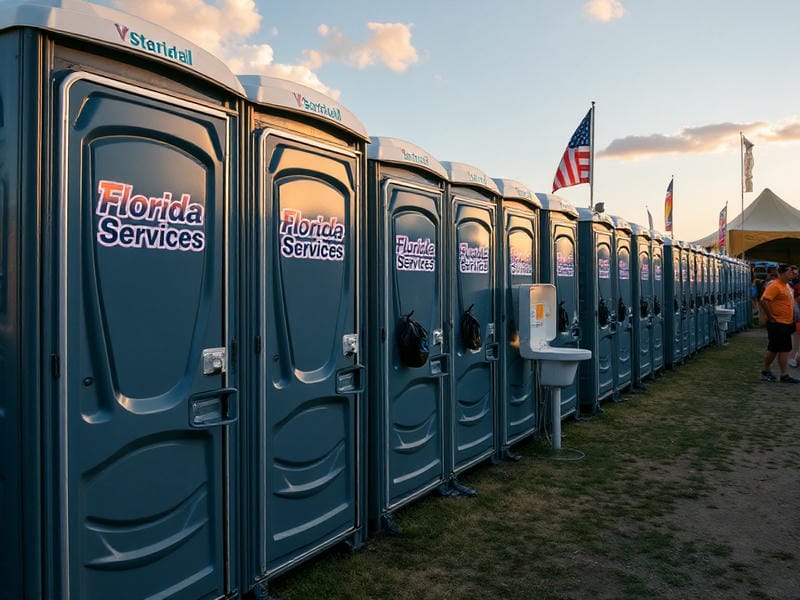
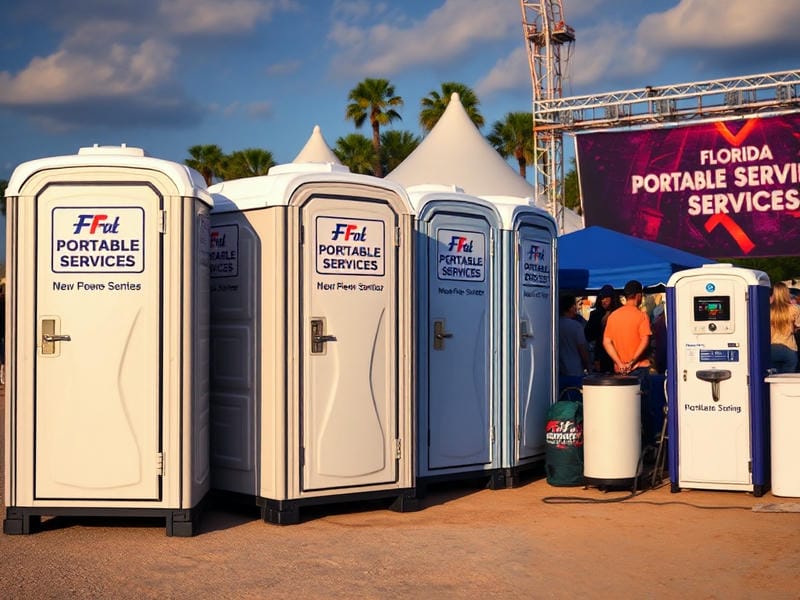
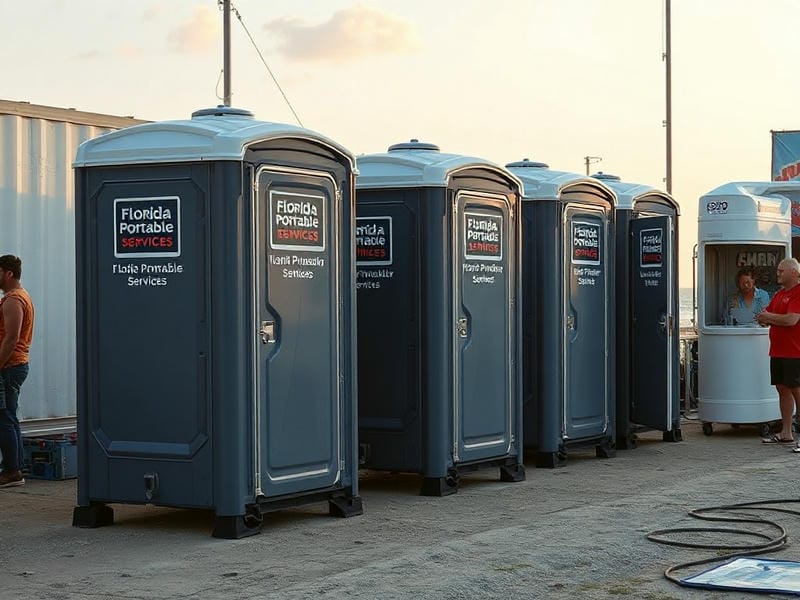
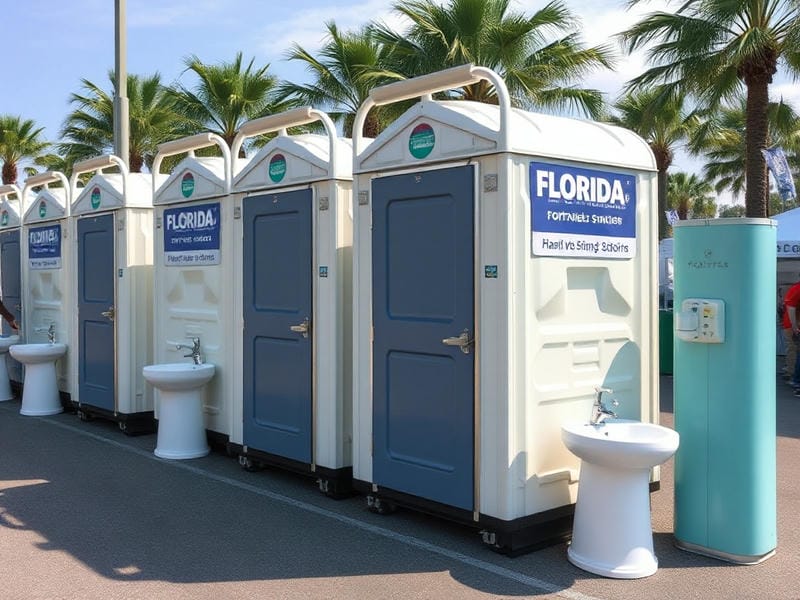
Hazardous waste presents a more complex challenge due to its potential threat to human health and the environment. Restroom trailers offer air conditioning for a comfortable experience. long-term porta potty rental trunk. This category includes substances that are toxic, flammable, reactive, or corrosive-such as batteries, solvents, pesticides, and certain industrial by-products. Proper handling and disposal are critical to prevent contamination of soil and water resources.
Industrial waste stems from manufacturing processes and can range from harmless materials like scrap metal to dangerous chemicals requiring special attention. The sheer volume produced by industries necessitates stringent regulations and innovative solutions for treatment and recycling.
E-waste is an emerging concern in our increasingly digital world. Old computers, mobile phones, televisions, and other electronic devices contain valuable metals but also hazardous components like lead and mercury. The improper disposal of e-waste can lead to environmental pollution and health hazards; hence responsible recycling methods are essential.
Recognizing these different types of waste allows us to tailor our disposal practices accordingly. Best practices for environmentally responsible disposal include reducing overall consumption-thereby minimizing waste generation-and enhancing recycling efforts across all categories. Composting organic material from MSW reduces landfill use while returning nutrients to the soil. Hazardous wastes require specialized treatment facilities designed to neutralize harmful substances safely.
Public awareness campaigns play a vital role in promoting proper sorting at source which facilitates efficient recycling processes. Legislation also supports these efforts by setting standards for producers regarding product lifecycle management-from design with recyclability in mind to take-back schemes that ensure safe e-waste processing.
In conclusion, understanding different types of waste is foundational for developing best practices that protect our environment while fostering sustainable development. Through combined efforts involving education policy innovation technology advancement community participation we steer towards a cleaner healthier planet future generations depend upon today's choices responsibility lies everyone together make difference one step time
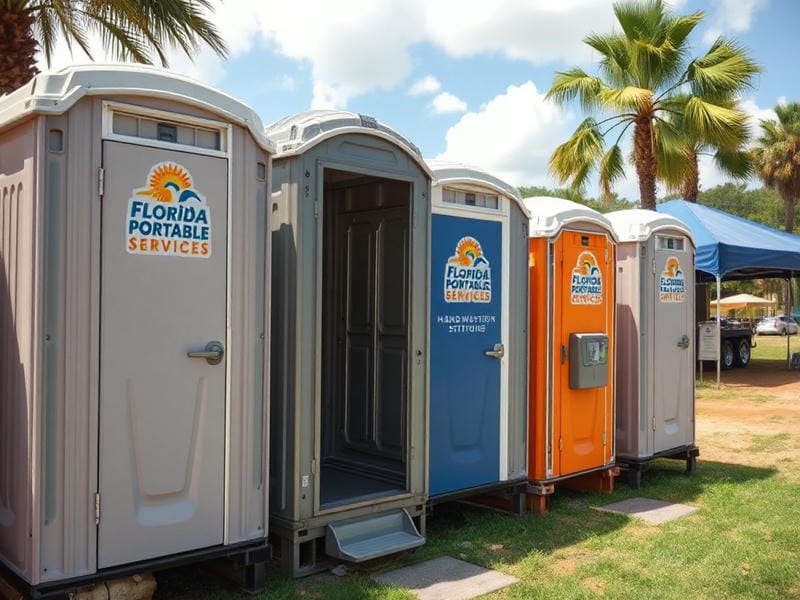
In recent years, the dialogue surrounding environmentally responsible waste disposal has intensified, reflecting a growing awareness of our ecological footprint. At the heart of this conversation lies the critical practice of waste segregation and categorization. This practice is not merely about sorting trash but embodies a commitment to sustainability and environmental stewardship.
Waste segregation involves separating waste into different categories based on its composition and potential for recycling or safe disposal. This systematic approach offers numerous benefits that align with best practices for environmentally responsible waste management. First, it enhances the efficiency of recycling processes. When waste is correctly segregated at the source, recyclables are less contaminated by non-recyclable materials, which often render entire batches unsuitable for processing. This improvement in quality subsequently elevates the economic viability of recycling programs and reduces demand for virgin resources.
Moreover, proper categorization aids in minimizing environmental pollution. Hazardous wastes, such as batteries or electronic devices, require special handling to prevent harmful chemicals from leaching into soil and water sources. By isolating these items through effective segregation practices, we can significantly mitigate their detrimental impact on ecosystems and human health.
Effective waste segregation also supports energy conservation efforts.
Education plays a pivotal role in successful waste segregation initiatives. Communities must be informed about the importance of sorting their waste correctly and provided with clear guidelines on how to do so effectively. Public awareness campaigns and educational programs can foster a culture of responsibility where individuals understand their role in contributing to broader environmental goals.
Furthermore, collaboration between governments, businesses, and communities is vital in establishing infrastructure that supports efficient waste management systems. Investment in appropriate facilities for collection, sorting, processing, and treatment ensures that segregated materials are handled responsibly throughout their lifecycle.
In conclusion, recognizing the importance of waste segregation and categorization is essential for adopting best practices in environmentally responsible waste disposal. It requires collective action driven by education, infrastructure development, and community engagement-ensuring that we move towards a more sustainable future where our interactions with nature are defined by care rather than complacency. As stewards of this planet, it is imperative that we embrace these practices not just as obligations but as opportunities to safeguard our environment for generations to come.
In recent years, the conversation surrounding sustainability has expanded beyond traditional sectors to include more nuanced areas such as waste management.. One area that has emerged as both a challenge and an opportunity is the integration of portable restrooms into sustainable waste management strategies.
Posted by on 2024-10-14
When planning an event, especially one that prioritizes sustainability, choosing the right eco-friendly portable restroom provider is crucial.. Not only does it ensure the comfort and convenience of your guests, but it also reflects a commitment to environmental responsibility.
Posted by on 2024-10-14
In recent years, the conversation around sustainability and environmental responsibility has gained significant momentum.. As we face pressing ecological challenges, industries across the globe are re-evaluating their practices to align with green principles.
Posted by on 2024-10-14
The future outlook for portable restrooms is increasingly optimistic as they become pivotal in global sustainability efforts.. Traditionally viewed as mere conveniences at outdoor events or construction sites, these mobile facilities are now being recognized for their potential to drive change in sustainable waste management practices. At the heart of this shift is the growing awareness of the environmental impact of human waste.
Posted by on 2024-10-14
In recent years, the urgency to address environmental challenges has become increasingly apparent, and one of the most pressing issues is waste generation. As our global population continues to grow and consumption patterns shift towards more disposable goods, the amount of waste produced is reaching unprecedented levels. This necessitates a comprehensive approach to waste management that not only focuses on disposal but also emphasizes strategies for reducing waste generation from the outset.
A crucial strategy in reducing waste generation is adopting a circular economy model, which aims to minimize waste and make the most of resources. Unlike the traditional linear economy of "take, make, dispose," a circular economy encourages redesigning products for longevity, reusability, and recyclability. By prioritizing sustainable design and material selection at the production stage, manufacturers can significantly cut down on waste. For example, companies in various sectors are now creating products with modular designs that allow for easy repair or refurbishment instead of discarding items entirely when they break.
Another effective strategy is promoting consumer awareness and behavior change. Education plays a pivotal role in transforming how individuals perceive and handle waste. Public campaigns that highlight the environmental impact of excessive consumption can encourage consumers to adopt more sustainable lifestyles. Simple actions, such as choosing reusable products over single-use items or composting organic waste at home, can collectively lead to substantial reductions in overall waste generation.
Additionally, implementing robust policies and regulations can drive systemic change across industries and communities. Governments play an essential role by setting ambitious targets for waste reduction and supporting initiatives that foster innovation in recycling technologies and infrastructure development. Financial incentives like tax breaks or grants for businesses that invest in eco-friendly practices can further accelerate progress towards minimizing waste production.
Moreover, collaboration between stakeholders-including governments, businesses, non-profits, and citizens-is vital for developing effective solutions tailored to specific local contexts. Community-based programs that facilitate resource sharing (such as tool libraries) or organize swap events can help reduce unnecessary purchases while fostering a culture of sustainability.
Lastly, investing in research and development is critical to discovering new ways to tackle complex waste challenges. From advanced recycling techniques capable of processing previously unrecyclable materials to biodegradable alternatives for common pollutants like plastics-continuous innovation holds promise for fundamentally changing how we manage resources.
In conclusion, strategies for reducing waste generation form an integral component of best practices for environmentally responsible waste disposal. By embracing circular economy principles, fostering consumer awareness, enforcing supportive policies, encouraging multi-stakeholder collaboration, and investing in innovation-we can significantly curtail the volume of waste entering our landfills while preserving precious natural resources for future generations. It requires collective effort but promises substantial rewards: a cleaner planet marked by sustainable growth rather than unchecked depletion.

Recycling and reuse stand as pivotal practices in the quest for environmentally responsible waste disposal. As global awareness of environmental issues grows, these practices have emerged as essential components for achieving sustainability. Their significance lies not only in reducing the volume of waste that ends up in landfills but also in conserving natural resources and minimizing pollution.
At the heart of recycling is the process of converting waste materials into new products. This method reduces the need for raw materials, thereby preserving ecosystems from destructive extraction processes. For instance, recycling paper saves trees, while recycling metals reduces mining activities. Furthermore, recycling often consumes less energy compared to manufacturing new products from virgin materials. This not only conserves energy but also curtails greenhouse gas emissions, making it a powerful tool against climate change.
Equally important is the practice of reusing items instead of discarding them after a single use. Reuse extends the lifecycle of products and diminishes demand for new goods, which in turn lowers energy consumption and resource depletion associated with production. Simple acts such as donating clothes, repurposing containers, or repairing electronics can significantly impact waste reduction efforts.
To implement these practices effectively, individuals and communities must adopt certain best practices. First and foremost is education - raising awareness about what can be recycled and how to properly sort recyclables is crucial. Many materials that are recyclable still end up in landfills due to improper sorting or contamination with non-recyclable waste.
Another key practice is encouraging innovation in product design to enhance recyclability and durability. Manufacturers should prioritize creating products that are easier to recycle or made from recycled materials themselves. Moreover, embracing circular economy principles can drive industries towards sustainable production models where waste becomes an input rather than an output.
On a community level, establishing accessible recycling programs and facilities is essential for encouraging participation among citizens. Incentive-based programs such as deposit return schemes for bottles can also boost recycling rates by providing economic motivation.
In conclusion, recycling and reuse are indispensable strategies within environmentally responsible waste disposal frameworks aimed at sustainability. By reducing raw material consumption and lowering environmental footprints through reduced pollution and emissions, they offer tangible benefits not just for current generations but future ones as well. With concerted efforts from individuals, businesses, governments, and entire communities worldwide adopting best practices regularly - these methods hold immense potential in steering humanity towards a more sustainable future wherein resources are cherished rather than squandered.
In our ever-evolving world, the challenge of managing hazardous waste has become increasingly critical. As industries expand and technological advancements continue, the byproducts and waste materials generated pose significant risks to both human health and the environment. Therefore, adopting best practices for environmentally responsible waste disposal is not merely a regulatory necessity but a moral imperative.
Safe disposal methods for hazardous waste are designed to mitigate environmental impacts and protect ecosystems from contamination. These methods begin with identifying and classifying the waste accurately, based on its chemical composition, physical state, and potential hazards. Once identified, appropriate treatment and disposal techniques can be applied.
One of the most reliable methods is incineration. This high-temperature process effectively reduces the volume of hazardous waste while neutralizing harmful substances through combustion. Incineration is particularly effective for organic wastes that are difficult to treat through other means. However, it requires sophisticated pollution control devices to capture emissions like dioxins and furans released during combustion.
Another vital method is secure landfill disposal, specifically engineered to isolate hazardous waste from the environment. Unlike traditional landfills, these facilities incorporate multiple barriers such as clay liners and synthetic membranes to prevent leachates from contaminating groundwater sources. Regular monitoring ensures that any potential leaks are detected early, safeguarding nearby ecosystems.
Chemical treatment processes also play a crucial role in safe disposal practices. Techniques such as neutralization can render acidic or caustic wastes non-hazardous by adjusting their pH levels. Similarly, oxidation-reduction reactions can detoxify certain chemicals by altering their molecular structure into less harmful forms.
For liquid hazardous wastes, deep well injection offers an alternative solution where wastes are pumped into isolated geological formations far below drinking water aquifers. While this method effectively contains hazardous materials away from human contact points, it demands rigorous site selection criteria to minimize risks associated with seismic activity or geological shifts.
Moreover, recycling stands as an exemplary practice in hazardous waste management when applicable materials are reclaimed or reused safely within production cycles - thus reducing raw material consumption and minimizing environmental footprints.
Public education on proper handling procedures coupled with stringent regulations forms another cornerstone of effective hazardous waste management strategies worldwide-ensuring compliance at every level-from individual households disposing of batteries responsibly to large corporations adhering strictly to international standards governing toxic effluents discharge protocols.
In conclusion, implementing safe disposal methods for hazardous waste requires an integrated approach involving advanced technologies backed by sound legislation frameworks supported by comprehensive community engagement initiatives aimed at fostering awareness around sustainable living practices that prioritize ecological welfare alongside economic growth objectives-a harmonious balance essential towards securing our planet's future vitality amidst mounting global challenges posed by modern civilization's relentless pursuit towards progress without compromising integrity nor safety concerns paramount within today's increasingly fragile biosphere dynamics context universally shared across all nations alike irrespective geographical boundaries inherently intertwined collective destiny shaping tomorrow together harmoniously united single purpose mission driven vision enduring legacy stewardship entrusted upon us cherish nurture wisely judiciously embrace wholeheartedly unwavering commitment dedication truly profound significance immeasurable worth undeniably priceless beyond compare timeless infinity continuum journey forward ever onward upward always striving achieve accomplish attain greater heights prosperity abundance richness fulfillment enlightenment peace harmony joy love everlasting eternal boundless possibilities limitless potentialities manifesting reality dreamt envisioned imagined real tangible present moment now forevermore unfolding wondrously breathtaking magnificently splendidly gloriously resplendent beautiful masterpiece creation unfolding before very eyes behold witness experience live breathe celebrate honor respect cherish preserve protect defend uphold safeguard keep sacred pure pristine immaculate unspoiled untouched untarnished unsullied unmarred unblemished untainted undefiled virgin untouched original authentic true genuine sincere honest
In recent years, the escalating environmental challenges have prompted a significant shift towards more sustainable practices in waste management. One of the most impactful drivers of this change is technology, which plays a pivotal role in transforming how we handle waste. The integration of technology into waste management systems not only enhances efficiency but also promotes environmentally responsible disposal practices.
To begin with, technological advancements have revolutionized the way we collect and process waste. Smart bins equipped with sensors can now monitor waste levels in real-time, optimizing collection routes and reducing fuel consumption for garbage trucks. This innovation not only minimizes carbon emissions but also cuts down operational costs, making it a win-win solution for both municipalities and the environment.
Moreover, technology has facilitated the development of sophisticated recycling processes. Advanced sorting machines use artificial intelligence (AI) to identify and segregate different types of materials with remarkable accuracy. These machines can distinguish between various plastics, metals, and paper products at a speed unmatched by human labor. As a result, recycling rates improve significantly while contamination decreases, leading to higher quality recycled materials that are more valuable on the market.
Biotechnology is another area where technology is making substantial contributions to waste management. Innovations such as anaerobic digestion convert organic waste into biogas-a renewable energy source-and nutrient-rich digestate that can be used as fertilizer. This process not only diverts organic waste from landfills but also contributes to energy production and soil enrichment.
Furthermore, digital platforms are empowering communities by providing accessible information about proper waste disposal practices. Mobile apps guide users on how to sort their household waste correctly and offer reminders for local collection schedules. Such tools foster public awareness and participation in sustainable practices while reducing improper disposal habits that harm the environment.
However, while technology offers promising solutions, it is crucial to ensure these innovations are implemented responsibly and equitably across different regions. Investment in infrastructure and training is essential to maximize the benefits of technological advancements in both urban centers and rural communities.
In conclusion, technology stands at the forefront of improving waste management by enhancing efficiency, boosting recycling efforts, harnessing renewable resources from organic matter, and educating citizens on responsible disposal methods. As we continue to explore new technologies and refine existing systems, it becomes increasingly clear that a future with sustainable waste management is within our reach-one that aligns economic interests with environmental stewardship for the benefit of all generations to come.
Community involvement and education play a pivotal role in advancing environmentally responsible waste disposal practices. As the global population continues to grow, so does the volume of waste we generate, making it increasingly crucial for communities to adopt sustainable waste management strategies. By fostering a culture of environmental awareness and responsibility through education, communities can significantly reduce their ecological footprint and promote healthier ecosystems.
One of the most effective ways to achieve environmentally responsible waste disposal is through community engagement. Encouraging active participation from residents can lead to more conscientious behavior regarding waste generation and disposal. This engagement often begins with education initiatives that inform community members about the importance of proper waste management and its impact on the environment. Workshops, seminars, and local campaigns can be instrumental in disseminating this knowledge, helping individuals understand how their daily habits contribute to larger environmental issues.
Education should focus on teaching practical skills such as recycling, composting, and reducing single-use plastics. When people are equipped with the knowledge of how to manage their waste effectively, they are more likely to make informed choices that benefit the environment. For instance, understanding what materials are recyclable or compostable enables individuals to sort their waste more efficiently at home.
Additionally, schools play a vital role in embedding these values early on. Integrating environmental education into school curriculums ensures that children grow up with an appreciation for nature and an understanding of sustainable practices. School projects that involve recycling drives or creating composting systems not only educate students but also inspire them to take these practices back to their homes.
Furthermore, community involvement extends beyond individual actions; it includes collective efforts such as organizing neighborhood clean-up events or establishing community gardens that utilize organic compost produced from local household waste. These activities foster a sense of unity and shared purpose while also providing tangible benefits like cleaner public spaces and fresh produce.
Importantly, municipalities must support these grassroots efforts by providing adequate infrastructure for recycling and safe disposal options for hazardous materials. Local governments can facilitate access to facilities where residents can responsibly dispose of items like batteries and electronic devices that cannot be processed through regular curbside collection services.
In conclusion, achieving best practices in environmentally responsible waste disposal hinges on both community involvement and comprehensive education efforts. By empowering individuals with knowledge and encouraging collective action toward sustainable goals, communities can pave the way for a cleaner future-one where everyone plays an active role in preserving our planet's health for generations to come.