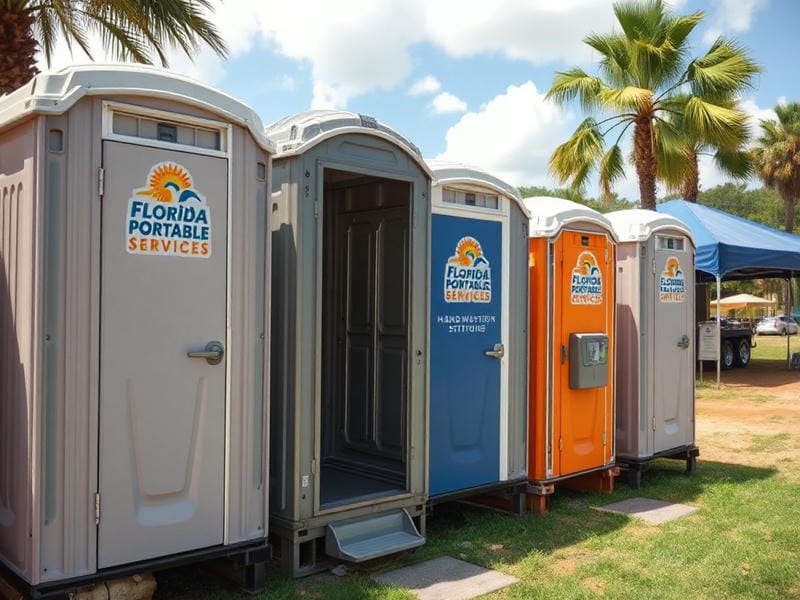
The Role of Portable Restrooms in Sustainable Waste Management Strategies
Posted by on 2024-10-14
Environmental Impact of Traditional Waste Management Practices
The environmental impact of traditional waste management practices has long been a topic of concern for both policymakers and the general public. As society becomes increasingly aware of the consequences our actions have on the planet, there is a growing demand for more sustainable solutions to manage waste effectively. One often overlooked aspect of this conversation is the role that portable restrooms can play in sustainable waste management strategies.
Traditional waste management methods, such as landfills and incineration, contribute significantly to environmental degradation. Landfills, for example, not only consume large tracts of land but also pose risks of groundwater contamination through leachate seepage and methane emissions—a potent greenhouse gas. Incineration, while reducing waste volume, releases pollutants into the air and requires substantial energy input. These methods highlight a significant challenge: how to balance human needs with ecological preservation.
Portable restrooms offer an innovative solution by addressing one specific type of waste—human waste—more sustainably. Often used at construction sites, outdoor events, or in areas lacking permanent sanitation facilities, these units are designed to minimize environmental impact. Modern portable restrooms utilize advanced technologies that reduce water usage significantly compared to conventional toilets, which aligns with global efforts to conserve water resources.
Moreover, many portable restroom providers have adopted environmentally friendly practices such as using eco-friendly chemicals for waste breakdown and cleaning processes. This reduces the reliance on harsh chemicals that can harm ecosystems when improperly disposed of. Additionally, some companies implement closed-loop systems where waste is collected regularly and processed at specialized treatment facilities designed to minimize emissions and maximize resource recovery.
The integration of portable restrooms into broader sustainable waste management strategies reflects a shift towards circular economy principles—where resources are reused and recycled rather than discarded after single use. The treated human waste from these facilities can be converted into biogas or composted material, contributing to renewable energy production or soil enrichment instead of ending up in landfills.
Furthermore, during emergencies or natural disasters where infrastructure may be compromised, portable restrooms provide essential sanitation services without exacerbating environmental damage. Their mobility makes them particularly valuable in ensuring hygiene standards while protecting local ecosystems from potential contamination associated with open defecation or inadequate sanitation facilities.
In conclusion, while traditionally overshadowed by larger-scale initiatives in sustainable development discussions, portable restrooms represent a practical step forward in reducing the ecological footprint of human activities related to sanitation. By adopting these solutions within our communities and industries—and continuously striving towards innovation—we pave the way for more comprehensive approaches to sustainable waste management that honor both people’s needs and our planet’s health. As we explore diverse avenues towards sustainability, acknowledging smaller-scale yet impactful solutions like portable restrooms is crucial in our collective efforts against environmental degradation.
Benefits of Portable Restrooms in Reducing Waste
In recent years, the conversation around sustainable waste management has gained significant momentum, driven by an urgent need to address environmental degradation. Within this discourse, portable restrooms have emerged as a surprisingly potent tool in reducing waste and promoting sustainability. These mobile sanitation units offer numerous benefits that extend far beyond basic hygiene, playing a crucial role in comprehensive waste management strategies.
Firstly, portable restrooms significantly reduce the environmental footprint associated with traditional sanitation infrastructure. Traditional restroom facilities require extensive plumbing, consistent water supply, and substantial energy resources for construction and maintenance. In contrast, portable restrooms are self-contained units that operate independently of these systems. By minimizing the need for permanent infrastructure, they help conserve natural resources and reduce the carbon emissions associated with construction activities.
Moreover, portable restrooms contribute directly to waste reduction by facilitating efficient waste collection and disposal processes. These units are designed to contain human waste securely until it can be safely transported to treatment facilities. This containment helps prevent contamination of local water sources—a common problem with inadequate sanitation facilities—and ensures that waste is treated appropriately before re-entering the environment. As a result, communities can manage human waste more effectively while protecting valuable water resources.
The versatility of portable restrooms makes them particularly advantageous for various settings where traditional facilities might be impractical or impossible to implement. For instance, at large outdoor events or in remote locations lacking access to sewage systems, portable restrooms provide a practical solution that meets sanitary needs without contributing to landfills or pollution. This adaptability not only enhances public health but also supports event organizers and businesses striving to minimize their ecological impact.
Additionally, modern advancements in portable restroom technology have introduced eco-friendly features that further promote sustainability. Many contemporary models include components like solar-powered ventilation systems and biodegradable chemical treatments that break down waste more efficiently and reduce odor without harming the environment. Such innovations underscore how portable restrooms are evolving into sophisticated tools aligned with green technology principles.
Furthermore, the economic benefits of using portable restrooms cannot be overlooked in discussions about sustainable practices. They offer cost-effective solutions compared to building permanent structures—an essential consideration for municipalities and organizations operating within budget constraints yet aiming for environmental stewardship.
In conclusion, the role of portable restrooms in sustainable waste management strategies is both innovative and indispensable. By offering environmentally friendly alternatives to traditional sanitation methods, enhancing efficient waste processing capabilities, adapting to diverse environments seamlessly, integrating eco-innovations successfully into their design—portable restrooms serve as vital assets toward achieving global sustainability goals. As our world continues grappling with pressing environmental challenges related to population growth and urbanization pressures—embracing such pragmatic solutions becomes not just beneficial but imperative for future generations’ well-being on this planet we call home.
Innovations in Eco-Friendly Portable Restroom Technologies
In recent years, the need for sustainable waste management strategies has become more crucial than ever. As urban centers continue to expand and outdoor events grow in popularity, the demand for effective sanitation solutions that align with environmental stewardship has surged. In this context, innovations in eco-friendly portable restroom technologies have emerged as a pivotal component of sustainable waste management.
Traditionally, portable restrooms were not associated with sustainability. They were often perceived as temporary necessities rather than integral parts of environmental strategies. However, technological advancements have transformed these facilities into key players in the quest for greener waste management solutions.
One significant innovation is the development of composting toilets within portable restrooms. These systems utilize natural processes to break down human waste into usable compost without the need for water or chemicals. By transforming waste into a resource, composting toilets reduce landfill inputs and support circular economy principles. This approach aligns seamlessly with sustainable practices by minimizing ecological footprints and promoting resource recovery.
Another groundbreaking advancement is the integration of solar technology into portable restroom units. Solar panels can power essential functions such as lighting, ventilation, and flushing mechanisms. By harnessing renewable energy, these restrooms decrease reliance on non-renewable resources and lower carbon emissions. This technology is particularly beneficial at remote locations where traditional power sources may be unavailable or impractical.
Water conservation remains a critical focus in eco-friendly restroom design. Low-flow fixtures and waterless urinals are increasingly incorporated to significantly reduce water usage without compromising hygiene standards. Such features not only conserve valuable water resources but also lessen the burden on wastewater treatment facilities.
Moreover, materials used in constructing portable restrooms are evolving toward sustainability. Many manufacturers now prioritize recycled or biodegradable materials that can be easily disassembled and reused or safely returned to the environment after their life cycle ends.
The role of these innovative portable restrooms extends beyond individual convenience; they contribute substantially to broader environmental goals by supporting public health while minimizing ecological impacts. Their deployment at large-scale events or construction sites presents opportunities for educating the public about sustainable practices and encouraging wider adoption of eco-friendly habits.
In conclusion, innovations in eco-friendly portable restroom technologies illustrate how even seemingly mundane aspects of daily life can undergo transformations that benefit both people and the planet. As we strive towards comprehensive sustainable waste management strategies, these advancements provide inspiring examples of how technology can harmonize necessity with nature’s needs—a testament to human ingenuity paving the way towards a more sustainable future for all.
Role of Portable Restrooms in Promoting Public Health and Hygiene
Portable restrooms, often seen at construction sites, outdoor events, and disaster relief zones, play a crucial yet understated role in promoting public health and hygiene. As urbanization and global population growth continue to strain existing sanitation infrastructure, the significance of these mobile facilities becomes even more apparent. Their contribution extends beyond mere convenience; they are pivotal in sustainable waste management strategies that aim to safeguard both human health and the environment.
The primary function of portable restrooms is to provide immediate access to safe sanitation facilities where permanent structures are impractical or unavailable. By offering this accessibility, they significantly reduce the risk of open defecation—a practice associated with severe public health risks including the spread of infectious diseases such as cholera and typhoid fever. In emergency situations or densely populated events, where traditional sanitation systems may be overwhelmed or non-existent, portable restrooms serve as vital stopgaps that prevent potential health crises.
Moreover, modern portable restrooms are designed with sustainability in mind. They employ innovative waste treatment technologies that minimize environmental impact. For instance, many units now incorporate water-saving flush mechanisms or use eco-friendly chemicals for waste breakdown. Some advanced models even feature solar-powered ventilation systems to reduce energy consumption. These technological advancements ensure that while addressing immediate sanitation needs, portable restrooms contribute minimally to ecological footprints.
Additionally, the role of portable restrooms in sustainable waste management is underscored by their ability to facilitate organized waste collection and disposal processes. When integrated into broader waste management plans, they help streamline the collection of human waste which can then be treated and repurposed responsibly. This not only mitigates contamination risks but also supports resource recovery initiatives such as biogas production from treated organic matter.
In regions lacking adequate infrastructure for sewage treatment, portable restrooms offer a viable alternative that aligns with sustainable development goals aimed at improving sanitation coverage globally. By providing a temporary yet effective solution for safe excreta disposal, they bridge critical gaps until long-term infrastructure can be established.
In conclusion, while often overlooked in discussions about public amenities and urban planning, portable restrooms hold substantial importance in promoting public health and hygiene within sustainable waste management frameworks. Their capacity to quickly adapt to various environments makes them indispensable assets in our ongoing quest for inclusive and sustainable sanitation solutions. By ensuring hygienic conditions are maintained irrespective of location constraints—whether at bustling music festivals or remote construction sites—they serve as silent guardians of community well-being across diverse settings worldwide.
Case Studies: Successful Implementation of Portable Restrooms in Sustainable Projects
Title: The Role of Portable Restrooms in Sustainable Waste Management Strategies
In recent years, the pursuit of sustainability has become a paramount objective across various sectors. One area that has seen significant innovation is waste management, where sustainable practices are being integrated to minimize environmental impact. A key component in this evolution is the implementation of portable restrooms within sustainable projects. These facilities, once viewed merely as temporary conveniences, have emerged as critical players in advancing sustainable waste management strategies.
Portable restrooms are typically associated with construction sites, outdoor events, or remote locations. However, their potential extends far beyond providing basic sanitation services. By exploring successful case studies of their integration into sustainable projects, we can better understand their role and benefits in promoting environmental responsibility.
One notable example is the use of eco-friendly portable restrooms at large-scale outdoor festivals. These events generate substantial amounts of waste and traditionally rely on conventional toilets connected to septic systems or municipal sewage lines. However, by opting for portable restrooms equipped with advanced composting technology and water-saving features, festival organizers have drastically reduced water consumption and waste output. These facilities convert human waste into nutrient-rich compost that can be used to enrich soil rather than contributing to landfill overload.
Another compelling case study is the deployment of portable restrooms on construction sites pursuing green building certifications such as LEED (Leadership in Energy and Environmental Design). In these projects, minimizing water usage and managing waste responsibly are crucial components of achieving sustainability goals. Portable restrooms fitted with low-flush mechanisms and solar-powered ventilation systems help reduce resource consumption while maintaining hygiene standards for workers on site.
Furthermore, portable restrooms have proven invaluable in humanitarian efforts aimed at providing sanitation solutions in disaster-stricken areas or regions lacking infrastructure. By utilizing biodegradable materials and closed-loop systems that treat and recycle wastewater onsite, these facilities offer dignified sanitation options without burdening local ecosystems.
The success stories above illustrate how portable restrooms contribute significantly to sustainable waste management strategies by reducing resource usage, decreasing pollution risks, and promoting circular economy principles through resource recovery processes like composting or recycling graywater.
However promising these examples may be though there remain challenges ahead before widespread adoption occurs; initial costs can sometimes deter stakeholders from considering them viable alternatives over traditional methods despite long-term savings potential both financially environmentally speaking alike.
Moreover regulatory frameworks need updating accommodate new technologies ensuring compliance safety standards met without stifling innovation progress along way too soon either!
In conclusion integrating innovative designs functionalities into existing infrastructure essential if we hope achieve truly sustainable future together globally! Portable Restroom solutions represent one step forward towards achieving this goal when implemented effectively thoughtfully within context broader strategy aimed reducing overall footprint planet-wide scale possible today tomorrow alike so let's continue explore expand possibilities further still yet untapped potentials awaiting discovery exploration now ready us embrace wholeheartedly moving forward united cause common good all humanity involved same journey shared destiny intertwined fate collective hands guiding shaping molding path lies ahead bright hopeful horizon beckoning onwards ever upward always improving better brighter cleaner tomorrows await just around corner patience perseverance determination unwavering resolve necessary ingredients required succeed grand endeavor embarked upon call action resonates deeply within each every individual soul committed making difference positive impact world lives lead influence touch inspire change ripple effect seen felt generations come legacy leaves behind timeless enduring testament spirit humanity itself...
Challenges and Solutions in Incorporating Portable Restrooms into Waste Management Plans
In the evolving landscape of sustainable waste management, portable restrooms have emerged as a crucial component, bridging gaps where traditional sanitation infrastructure falls short. As urban populations swell and outdoor events become increasingly popular, the demand for efficient and environmentally responsible sanitation solutions has grown. While portable restrooms offer flexibility and convenience, integrating them into comprehensive waste management plans presents unique challenges that necessitate innovative solutions.
One significant challenge is the environmental impact associated with the use of chemical additives in portable restroom waste treatment. These chemicals, while effective in controlling odor and breaking down waste, can pose risks to ecosystems if not managed properly. The solution lies in advancing eco-friendly alternatives. Biodegradable treatments and enzymatic products are being developed to minimize environmental harm while maintaining efficacy. By prioritizing such sustainable options, we can mitigate the ecological footprint of portable restrooms.
Another challenge involves logistical considerations in deploying and servicing portable restrooms efficiently without compromising sustainability goals. The transportation of units to various sites often results in increased carbon emissions due to fuel consumption. To address this issue, companies are exploring green logistics strategies. Transitioning to electric or hybrid vehicles for transportation can significantly reduce emissions. Moreover, optimizing route planning through technology can ensure that servicing is conducted with minimal environmental impact.
Waste disposal from portable restrooms also poses a critical challenge. Traditional disposal methods may lead to landfill overuse or contamination if not managed correctly. An effective solution is integrating portable restroom waste into broader waste-to-energy programs. By converting waste into biogas or compost through advanced treatment facilities, we not only alleviate landfill pressure but also generate renewable energy resources.
Furthermore, public perception and acceptance of portable restrooms play a role in their integration into sustainable strategies. Misconceptions about hygiene and comfort can deter usage and support for these facilities. Education campaigns aimed at raising awareness about modern advancements in portable restroom technology—such as improved sanitation standards and user experience—can foster greater acceptance.
Collaboration across sectors is essential to overcoming these challenges effectively. Municipalities, event organizers, sanitation companies, and environmental bodies must work together to develop guidelines that promote best practices in the deployment and maintenance of portable restrooms within waste management frameworks.
In conclusion, while incorporating portable restrooms into sustainable waste management plans presents several challenges—from environmental concerns to logistical hurdles—innovative solutions are paving the way for their successful integration. By embracing eco-friendly technologies, enhancing operational efficiencies, leveraging collaborative efforts, and fostering public understanding, we can harness the full potential of portable restrooms as vital components of our sustainable future.
Future Perspectives on the Integration of Portable Restrooms in Sustainability Efforts
In recent years, the conversation surrounding sustainability has expanded beyond traditional sectors to include more nuanced areas such as waste management. One area that has emerged as both a challenge and an opportunity is the integration of portable restrooms into sustainable waste management strategies. As urbanization intensifies and large-scale events become more common, the demand for portable restrooms rises, necessitating innovative approaches to ensure these facilities contribute positively to environmental goals.
Portable restrooms have long been seen as a necessary but temporary solution, often associated with festivals, construction sites, and emergency situations. However, their potential role in sustainable waste management is becoming increasingly apparent. Traditionally constructed from non-biodegradable materials and reliant on chemical treatments for sanitation, these units can pose significant environmental challenges if not managed properly. Yet, when reimagined through the lens of sustainability, they offer unique advantages.
One of the primary benefits of integrating portable restrooms into sustainability efforts is their ability to conserve water. Unlike traditional toilets that use several gallons per flush, modern portable units are designed to function with minimal water usage or even no water at all. This feature aligns well with global efforts to reduce water consumption and protect freshwater resources.
Furthermore, advancements in technology have paved the way for eco-friendly innovations in portable restroom design and maintenance. For instance, some companies are now incorporating solar-powered ventilation systems and biodegradable cleaning agents into their products. Others are experimenting with composting technologies that transform human waste into usable fertilizer—a process that not only reduces landfill dependency but also returns valuable nutrients back to the earth.
The strategic placement of portable restrooms also plays a critical role in minimizing environmental impact during events or in developing regions where access to sanitation infrastructure is limited or non-existent. By providing hygienic solutions in these contexts, we can prevent pollution caused by open defecation or inadequate sanitation facilities—an issue that poses serious health risks and undermines efforts towards achieving sustainable development goals.
Moreover, the lifecycle management of portable restrooms presents another avenue for sustainability improvements. By focusing on durable materials that facilitate easy recycling or repurposing at the end of their life cycle, manufacturers can significantly reduce environmental footprints associated with production and disposal processes.
Despite these promising developments, challenges remain in fully realizing the potential of portable restrooms within sustainable waste management frameworks. Cost barriers often hinder widespread adoption of greener technologies; thus, encouraging public-private partnerships could be key to overcoming financial constraints while fostering innovation.
In conclusion, envisioning future perspectives on integrating portable restrooms into sustainability efforts requires a holistic approach that balances practicality with ecological responsibility. By leveraging technological advancements alongside strategic policy initiatives aimed at reducing resource consumption and promoting circular economies within this niche sector—we can transform what was once considered a mere convenience into an integral component of our global sustainability agenda.