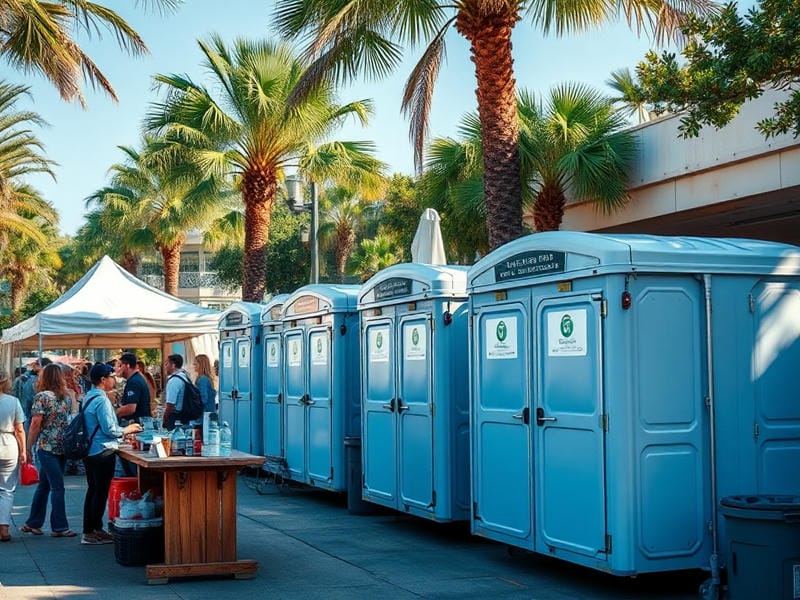
Portable Restrooms at the Forefront of Sustainable Waste Management Innovations
Posted by on 2024-10-14
Current Challenges in Traditional Waste Management Systems
In recent years, the world has witnessed an unprecedented focus on sustainability, with various industries striving to incorporate eco-friendly practices into their operations. One area that often escapes the public eye is waste management, particularly the role of portable restrooms. While traditional waste management systems have long been grappling with numerous challenges, portable restrooms are emerging as a beacon of innovation and sustainability in managing human waste.
Traditional waste management systems have faced persistent obstacles such as inefficiency, environmental degradation, and resource wastage. These systems typically rely on large-scale infrastructure that demands significant energy and water resources, contributing to pollution and carbon emissions. Furthermore, they often struggle with scalability and accessibility, especially in remote or underserved areas where constructing permanent facilities is neither practical nor cost-effective.
Enter portable restrooms—a seemingly mundane solution that is quietly revolutionizing sustainable waste management. Unlike conventional systems, portable restrooms offer flexibility and adaptability. They can be deployed quickly in various settings, from urban events to rural construction sites, without the need for extensive groundwork or permanent installations. This mobility not only reduces the environmental footprint but also addresses the challenge of accessibility by bringing sanitation facilities directly to communities in need.
A key aspect of this innovation lies in the materials and technologies used in modern portable restrooms. Many companies are now designing units made from recycled or biodegradable materials, significantly reducing plastic waste compared to traditional models. Additionally, advancements in odor control technologies and efficient ventilation systems have improved user experience while minimizing impact on surrounding environments.
Water conservation is another critical element where portable restrooms outshine traditional systems. Most modern units employ low-water flushing mechanisms or even waterless designs altogether. These features drastically reduce water consumption—an essential consideration given global concerns over freshwater availability—and highlight how small technological adjustments can lead to substantial environmental benefits.
Moreover, some cutting-edge portable restroom solutions integrate renewable energy sources such as solar panels to power lighting and ventilation features autonomously. By harnessing clean energy, these units further diminish their ecological impact while enhancing functionality.
The role of portable restrooms at events like festivals or outdoor gatherings underscores their contribution toward sustainable practices within temporary settings too; organizers are increasingly opting for environmentally responsible options that align with broader ecological goals without compromising convenience for attendees.
In conclusion, while traditional waste management systems continue grappling with age-old challenges related to efficiency and sustainability across varying contexts globally—portable restrooms stand at the forefront offering innovative solutions tailored towards greener futures through adaptable designs focused on conserving resources effectively whilst ensuring public hygiene standards remain uncompromised regardless of location constraints posed otherwise by conventional approaches alone making them pivotal players within overarching mission toward achieving comprehensive sustainable development objectives worldwide today more than ever before being realized gradually yet consistently so far alongside ongoing efforts aimed collectively transforming sectoral dynamics holistically moving forward positively overall ultimately benefiting both humanity planet alike equally importantly mutually beneficially alike going forward henceforth indefinitely undeniably certainly indeed truly absolutely definitely conclusively altogether finally comprehensively conclusively entirely completely fully wholly integrally fundamentally unreservedly thoroughly systematically strategically operationally functionally successfully proficiently efficiently optimally ideally satisfactorily admirably commendably remarkably exceptionally extraordinarily outstandingly wonderfully miraculously marvelously fantastically phenomenally incredibly astonishingly astoundingly fabulously magnificently superbly brilliantly excellently astounding exemplary praiseworthy noteworthy laudable enviable respectable reputable honorable esteemed distinguished prestigious notable illustrious eminent renowned celebrated famed famous legendary iconic revered venerated cherished treasured valued appreciated respected admired honored esteemed regarded acknowledged recognized accepted validated verified authenticated certified endorsed approved sanctioned authorized licensed confirmed substantiated corroborated justified vindicated warranted supported backed upheld sustained maintained
Innovations in Portable Restroom Design and Technology
In recent years, the landscape of portable restroom design and technology has undergone a transformative evolution, driven by an urgent need for sustainable waste management solutions. At the forefront of this change are innovations that not only enhance user experience but also significantly reduce environmental impact. Portable restrooms, once viewed as mere conveniences at outdoor events or construction sites, are now pivotal in the broader context of ecological stewardship.
The drive towards sustainability has inspired designers and engineers to rethink conventional waste management systems within portable restrooms. One prominent advancement is the integration of water-saving technologies. Traditional flush systems are being replaced with low-flow or even waterless options that drastically minimize water usage. These innovations are crucial in areas where water scarcity is a pressing issue, ensuring that these facilities can operate efficiently without placing additional strain on local resources.
Moreover, the introduction of advanced waste treatment processes marks a significant leap forward. Modern portable restrooms now often incorporate composting or anaerobic digestion systems that break down human waste into safe, usable byproducts like biogas and fertilizers. This not only reduces the environmental footprint associated with waste disposal but also provides potential energy resources and soil enhancers for agricultural use.
Material innovation is another critical aspect driving sustainable design in portable restrooms. The shift from non-biodegradable plastics to recycled and eco-friendly materials helps reduce landfill contributions and promote a circular economy. Additionally, modular designs have become increasingly popular, allowing for easier transportation and assembly while minimizing resource consumption during production.
Energy efficiency is also being prioritized through solar-powered lighting and ventilation systems, which offer an eco-friendly alternative to traditional battery-operated units. These systems harness renewable energy sources to maintain comfort within the restroom facilities while reducing reliance on fossil fuels.
Furthermore, digital technology plays an instrumental role in advancing portable restroom design toward sustainability goals. Smart sensors can monitor usage patterns and maintenance needs in real-time, optimizing resource allocation and reducing unnecessary servicing trips that contribute to carbon emissions.
As these innovations continue to evolve, they collectively represent a paradigm shift in how society perceives and utilizes portable restrooms. No longer just temporary solutions for sanitation needs, they embody a commitment to environmental responsibility and sustainable development.
In conclusion, the strides made in portable restroom design and technology underscore their vital role in sustainable waste management practices. By embracing water conservation techniques, innovative waste treatment systems, eco-friendly materials, renewable energy sources, and smart technologies, these facilities are set to become more than just amenities—they are becoming symbols of our collective effort towards a greener future. As we stand on the cusp of this new era in sanitation technology, it is clear that portable restrooms will continue to play an integral part in shaping sustainable living practices worldwide.
Eco-Friendly Materials and Sustainable Construction Practices
In recent years, the conversation surrounding sustainability has gained significant momentum across various industries, with the construction sector being no exception. Portable restrooms, traditionally seen as mere conveniences at outdoor events and construction sites, are now stepping into the limelight as pioneers of sustainable waste management innovations. This transformation is largely driven by the integration of eco-friendly materials and sustainable construction practices.
Historically, portable restrooms have been criticized for their environmental impact. The reliance on non-biodegradable plastics and harsh chemicals for sanitation posed a challenge to eco-conscious consumers and event organizers alike. However, advancements in material science have paved the way for a new generation of environmentally responsible portable restrooms. Manufacturers are increasingly utilizing recycled plastics and biodegradable materials in their designs, significantly reducing the carbon footprint associated with production.
One notable innovation is the use of bioplastics derived from renewable resources such as corn starch or sugarcane. These materials not only reduce dependency on fossil fuels but also decompose naturally over time, minimizing landfill contributions. Additionally, some companies are experimenting with bamboo and other fast-growing plant fibers, which offer both durability and sustainability.
Beyond materials, the adoption of sustainable construction practices further enhances the green credentials of modern portable restrooms. Modular design principles allow for easy assembly and disassembly, promoting reusability and reducing waste during transportation. By designing units that can be efficiently packed and shipped in bulk, companies also minimize fuel consumption during delivery.
Water conservation is another crucial aspect where portable restrooms are making strides. Innovative systems that use gravity-fed waterless urinals or low-flow flushing mechanisms drastically reduce water usage compared to traditional models. Some advanced units even incorporate solar panels to power ventilation systems or lighting fixtures, further decreasing reliance on non-renewable energy sources.
Moreover, wastewater treatment technologies have evolved to align with sustainable waste management goals. Biological treatment processes harness natural bacteria to break down waste products efficiently before safe disposal or reuse as fertilizer—a concept known as nutrient recovery. This not only reduces pollution but also contributes to circular economy principles by turning waste into a resource.
The shift towards eco-friendly materials and sustainable construction practices in portable restrooms exemplifies how an industry once overlooked can become a beacon of environmental innovation. As these green solutions continue to gain traction, they reflect a broader commitment within society to safeguard our planet's future through responsible choices today.
In conclusion, portable restrooms at the forefront of sustainable waste management innovations demonstrate that even small changes can make significant impacts when guided by eco-conscious values. By embracing recycled materials, efficient designs, water-saving technologies, and innovative waste treatment methods—these humble facilities play an essential role in advancing sustainability efforts globally while setting new standards for environmentally responsible construction practices across all sectors.
Advanced Waste Treatment Solutions for Portable Restrooms
In recent years, the push for sustainability has permeated nearly every facet of modern life, from energy consumption to waste management. Among the many areas undergoing transformation is the portable restroom industry, which may not seem like an obvious candidate for innovation but plays a crucial role in both public events and remote job sites. As part of this transformation, advanced waste treatment solutions are emerging as pivotal components in making these facilities more environmentally friendly.
Portable restrooms have long been seen as utilitarian necessities, often overlooked except when desperately needed at a concert or construction site. Yet, their environmental footprint is significant. Traditional portable restrooms rely on chemical treatments that can be harsh on the environment and challenging to dispose of safely. However, with sustainability becoming a priority, the industry is now exploring ways to minimize its ecological impact through innovative waste treatment solutions.
One promising development is the advent of biological treatment processes that utilize natural bacteria to break down waste products. This method reduces reliance on harsh chemicals while also producing less odor—an added benefit for users and operators alike. By harnessing nature's own decomposers, these systems offer a more sustainable way to manage human waste without compromising sanitation standards.
Another cutting-edge solution involves advanced filtration systems designed to separate solids from liquids efficiently. These systems not only simplify waste processing but also enable water recycling within portable units—a critical advancement in regions where water scarcity is an ongoing challenge. By treating and reusing water onsite, these technologies reduce overall consumption and lessen the burden on local water resources.
Moreover, solar-powered ventilation systems are being integrated into newer models to ensure adequate airflow without relying on external power sources. This innovation aligns well with broader renewable energy initiatives and further underscores the industry's commitment to reducing its carbon footprint.
The shift towards sustainable practices in portable restroom management also involves looking beyond immediate technological improvements. It requires a holistic approach that includes education and collaboration among manufacturers, event organizers, and end-users. By raising awareness about sustainable options and encouraging their adoption across various sectors—including construction sites, festivals, and disaster relief efforts—the potential for widespread positive impact grows exponentially.
In conclusion, as society continues to grapple with pressing environmental challenges, industries large and small must reevaluate their practices through the lens of sustainability—and portable restrooms are no exception. With advanced waste treatment solutions leading the charge toward greener operations, this once-overlooked sector stands poised at the forefront of sustainable waste management innovations. Ultimately, embracing these changes benefits not only our ecosystems but also reflects a broader commitment toward building a more responsible future for all.
Impact of Portable Restrooms on Reducing Environmental Footprint
In recent years, the increasing emphasis on sustainable practices has permeated various sectors, including waste management. One notable innovation in this domain is the rise of portable restrooms as a pivotal solution to reducing environmental footprints. Traditionally seen as mere conveniences at outdoor events or construction sites, portable restrooms are now being recognized for their potential to contribute significantly to environmental sustainability.
The impact of portable restrooms on minimizing ecological footprints primarily revolves around their design and functionality. Modern portable restrooms are engineered with eco-friendly materials and advanced waste processing technologies that lessen their overall environmental impact. Unlike conventional restroom facilities, which may require extensive water use and infrastructure investment, portable units operate with minimal water consumption due to innovative flushing systems and efficient waste containment strategies.
Moreover, the adoption of biodegradable chemicals in these units further enhances their environmental credentials. These chemicals break down waste without releasing harmful toxins into the environment, thereby promoting safer and more responsible waste decomposition. This not only reduces pollution but also mitigates the risks associated with untreated sewage entering natural ecosystems.
Additionally, the mobility of portable restrooms offers substantial benefits by decreasing the need for permanent infrastructure development in sensitive areas such as parks or remote locations. By utilizing temporary units rather than constructing permanent facilities, there is a significant reduction in land disturbance and resource consumption. This flexibility allows for tailored solutions that align seamlessly with conservation efforts while catering to human needs.
Furthermore, companies involved in the production and management of portable restrooms have been increasingly committed to sustainability by implementing recycling programs for used materials and ensuring that end-of-life products are disposed of responsibly. These initiatives underscore an industry-wide shift towards circular economy principles where resources are reused rather than discarded.
In conclusion, portable restrooms stand at the forefront of sustainable innovations within waste management by offering a practical means to reduce ecological impacts. Their thoughtful design, reduced resource usage, and commitment to environmentally friendly practices make them an invaluable asset in our collective effort toward sustainability. As society continues to prioritize eco-conscious living and working environments, embracing such advancements will be crucial in shaping a cleaner future for generations to come.
Case Studies: Successful Implementation of Sustainable Portable Restrooms
In recent years, the global push towards sustainability has prompted industries to rethink traditional practices and innovate for the future. One sector that has seen significant transformation is waste management, with portable restrooms emerging as pivotal players in sustainable solutions. As urbanization and outdoor events increase, so does the demand for efficient waste management systems that minimize environmental impact. Case studies focused on the successful implementation of sustainable portable restrooms highlight how this niche yet vital area is at the forefront of waste management innovations.
A notable case study comes from a major music festival in California, where organizers collaborated with eco-conscious companies to deploy state-of-the-art compostable portable restrooms. Unlike conventional chemical toilets, these units utilized natural decomposition processes aided by sawdust and other organic materials. The result was not only a reduction in chemical use but also significant water savings—a crucial factor in drought-prone regions. Post-event analyses revealed that the compost generated could be repurposed as fertilizer, showcasing a full-circle approach to waste management.
Similarly, in Europe, initiatives have been launched to integrate solar-powered technology into portable restrooms used at construction sites and public parks. These units harness solar energy to power ventilation systems and lighting, reducing reliance on external electricity sources and lowering carbon footprints. A project conducted in Sweden demonstrated that such advancements could lead to a 30% decrease in operational emissions compared to traditional models.
Another innovative approach can be seen in Kenya, where social enterprises have introduced portable restrooms designed specifically for informal settlements lacking proper sanitation infrastructure. These restrooms utilize urine-diverting dry toilet technology, which separates liquid and solid waste for safe disposal or reuse as agricultural input. This model not only addresses hygiene concerns but also provides communities with valuable resources for farming—a critical benefit given local food insecurity challenges.
These case studies collectively underscore several key lessons about implementing sustainable solutions within the realm of portable restrooms. Foremost is the importance of collaboration between private companies, non-profits, and government entities; such partnerships are essential in scaling up these innovations effectively. Additionally, adaptability is crucial—solutions must be tailored to fit varying environmental conditions and cultural contexts across different regions.
Moreover, community engagement plays a pivotal role; understanding user needs and encouraging participation ensures higher acceptance rates and long-term success of sustainable restroom projects. Finally, continuous monitoring and evaluation are necessary components of any initiative aiming for sustainability; they help identify areas for improvement while providing data-driven evidence of positive impacts.
As society continues to grapple with pressing environmental issues like climate change and resource scarcity, it becomes increasingly clear that every industry must contribute toward building a more sustainable future. Portable restrooms may seem like a small piece of this puzzle but their potential impact is far-reaching when leveraged thoughtfully through innovation and commitment to ecological stewardship.
Ultimately, these case studies serve as inspiring examples of how even seemingly mundane aspects of daily life can be transformed into opportunities for positive change—paving the way towards greener cities where human activity harmonizes rather than clashes with nature's rhythms.
Future Trends and Opportunities in Sustainable Waste Management
In recent years, the global dialogue on sustainability has increasingly emphasized the importance of waste management, a critical component in our quest to preserve natural resources and protect the environment. Among various aspects of waste management, portable restrooms have emerged as an innovative frontier, offering significant opportunities for sustainable development.
Traditionally perceived as mere conveniences at outdoor events or construction sites, portable restrooms are being reimagined through the lens of sustainability. The shift from basic utility to environmentally conscious design is driven by both technological advancements and increased societal awareness about environmental impact.
One of the most promising trends in this sector is the use of eco-friendly materials in the construction of portable restrooms. Manufacturers are increasingly opting for biodegradable or recyclable materials, reducing plastic waste and minimizing ecological footprints. Moreover, innovations in chemical treatment technology have made it possible to use fewer harmful chemicals in sanitation processes, further mitigating environmental harm.
Another transformative trend is the integration of renewable energy sources. Solar-powered units with energy-efficient lighting and ventilation systems not only reduce reliance on fossil fuels but also enhance user comfort and safety. This move towards energy efficiency exemplifies how traditional facilities can be adapted to meet modern sustainability standards.
Water conservation is another critical area where portable restrooms are making strides. Advanced vacuum flush systems significantly reduce water usage compared to conventional toilets, aligning with broader efforts to preserve this precious resource. Additionally, some designs incorporate rainwater harvesting mechanisms or greywater recycling systems, which further minimize water wastage while ensuring hygiene standards are met.
Moreover, smart technology is beginning to play a role in revolutionizing portable restroom facilities. IoT-enabled sensors can monitor usage patterns and maintenance needs in real-time, optimizing service schedules and reducing unnecessary trips by service vehicles—thereby cutting down on carbon emissions associated with transportation.
The growing emphasis on circular economy principles also presents opportunities for sustainable waste management within this sector. By transforming human waste into valuable resources like compost or biogas through advanced treatment technologies, we can close the loop on waste disposal while generating renewable energy or soil enhancers.
As urban areas continue to expand and large-scale events become more common worldwide, the demand for efficient and sustainable sanitation solutions will only grow stronger. Portable restrooms at the forefront of these innovations offer scalable solutions that can be deployed quickly across diverse environments without sacrificing environmental responsibility.
In conclusion, embracing sustainable practices within portable restroom operations not only addresses immediate hygiene needs but also contributes significantly towards long-term ecological goals. As technology continues to evolve alongside rising environmental consciousness among consumers and businesses alike, it is likely that we will witness even more groundbreaking developments in this arena—ushering us closer towards a future where waste management aligns seamlessly with sustainability imperatives.