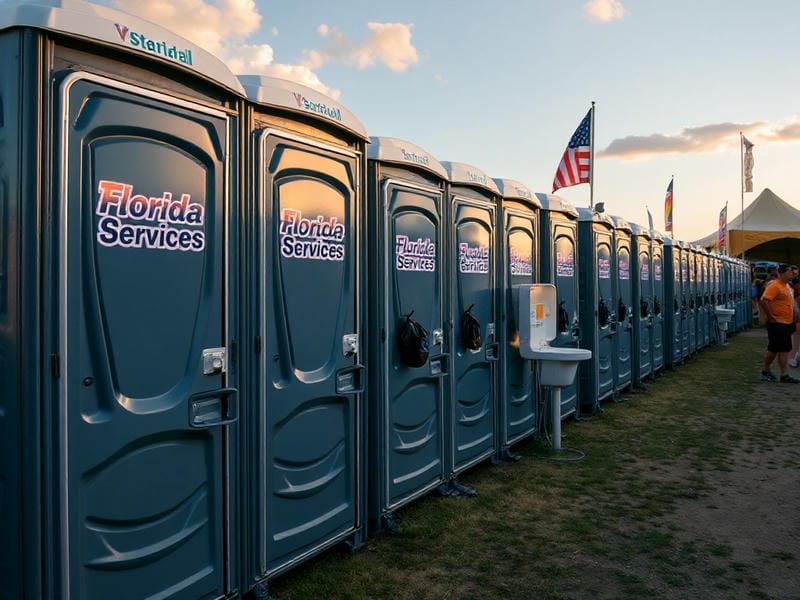
Supporting Sustainable Waste Practices with Green Portable Restroom Rentals
Posted by on 2024-10-14
The Environmental Impact of Traditional Portable Restrooms
In recent years, the urgency of adopting sustainable practices has permeated various aspects of our daily lives. Among these, waste management is a critical area demanding attention. Traditional portable restrooms, commonly used in outdoor events and construction sites, contribute significantly to environmental degradation. Their environmental impact ranges from chemical pollution to excessive water use and improper waste disposal, necessitating a shift towards more sustainable alternatives.
Traditional portable restrooms often rely on chemicals such as formaldehyde for sanitation purposes. While effective at controlling odor and bacteria, these chemicals pose significant risks to both human health and the environment. Once disposed of, they can leach into soil and water systems, causing contamination that affects ecosystems and biodiversity. Furthermore, conventional portable toilets are typically made from non-biodegradable materials like plastic, which exacerbate landfill accumulation if not recycled correctly.
Water usage is another critical concern associated with traditional portable restrooms. The standard flush toilet system consumes substantial amounts of water per use—resources that are particularly precious in areas prone to drought or with limited access to clean water. This inefficiency highlights the need for alternative systems that conserve water while maintaining hygiene standards.
Improper waste disposal presents additional environmental challenges. Traditional systems often lack efficient waste treatment processes, leading to potential leakage or overflow issues that can harm surrounding landscapes and waterways. Without proper infrastructure for collection and treatment, these systems contribute significantly to pollution levels.
In light of these concerns, supporting sustainable waste practices through green portable restroom rentals emerges as an essential solution. These eco-friendly alternatives prioritize minimal environmental impact by utilizing biodegradable materials and reducing chemical dependency through innovative sanitation technologies such as composting toilets or vacuum-flush systems that drastically reduce water usage.
Composting toilets transform human waste into useful compost through natural biological processes—eliminating harmful chemicals while producing valuable organic matter beneficial for soil health. Vacuum-flush systems employ air pressure rather than large volumes of water; this technology reduces water consumption by up to 90% compared with traditional flushing mechanisms.
Moreover, green portable restroom rentals often incorporate solar-powered lighting and ventilation options—further decreasing their carbon footprint by harnessing renewable energy sources instead of relying on conventional power grids powered predominantly by fossil fuels.
Transitioning towards sustainable portable restroom solutions not only aligns with global efforts against climate change but also presents an opportunity for individuals and organizations alike committed to ecological responsibility without compromising comfort or convenience during outdoor activities or work projects.
Ultimately it requires collective effort—from manufacturers designing eco-conscious products down through end-users making informed choices—to ensure widespread adoption across various sectors seeking greener alternatives within their operations worldwide—and thereby contribute positively toward protecting our planet's future generations alongside meeting present-day needs sustainably today!
Advantages of Green Portable Restroom Rentals
In an era where sustainability is not just a choice but a necessity, the concept of green portable restroom rentals emerges as a beacon of innovation. This eco-friendly approach to sanitation offers several advantages that align seamlessly with the global push towards supporting sustainable waste practices.
Green portable restrooms are designed with environmental conservation in mind, utilizing biodegradable materials and advanced waste management systems. One of their primary advantages is reducing the carbon footprint associated with traditional sanitation solutions. Unlike conventional restrooms, which often rely on extensive plumbing and infrastructure, portable options minimize water usage through efficient flushing mechanisms and alternative waste treatment technologies. This reduction in water consumption is crucial at a time when water scarcity poses a significant challenge globally.
Moreover, these green restrooms incorporate renewable energy sources such as solar panels to power essential functions like lighting and ventilation. By harnessing solar energy, they reduce reliance on non-renewable resources and lower greenhouse gas emissions. This shift not only supports cleaner energy use but also sets a precedent for integrating renewable technologies into everyday utilities.
Another compelling advantage of green portable restroom rentals is their contribution to effective waste management. Many models come equipped with composting toilets or advanced septic systems that convert human waste into usable byproducts like fertilizers. Such innovations divert waste from traditional sewage systems that often lead to pollution and habitat destruction if not managed properly. By transforming potential pollutants into resources, these restrooms promote a circular economy where waste becomes an asset rather than a liability.
Furthermore, green portable restrooms offer flexibility and adaptability in various contexts—from construction sites to outdoor events—without compromising environmental integrity. Their portability ensures minimal site disruption during installation and removal while maintaining high hygiene standards expected by users. This adaptability allows for widespread adoption across different sectors looking to enhance their sustainability credentials without incurring excessive costs or logistical challenges.
By choosing green portable restroom rentals, businesses and event organizers can demonstrate their commitment to sustainability visibly and tangibly. This proactive stance resonates with increasingly eco-conscious consumers who value companies that prioritize environmental stewardship. As such, embracing these innovative sanitation solutions can enhance brand reputation while contributing positively to the planet's health.
In conclusion, the advantages of green portable restroom rentals are manifold when considering sustainable waste practices. They represent an intersection between technological advancement and ecological responsibility—an essential synergy needed for building a more sustainable future. Through reduced resource consumption, renewable energy use, improved waste management, and flexible deployment capabilities, these restrooms exemplify how thoughtful design can drive meaningful change in our approach to sanitation and beyond.
Features and Technologies in Eco-Friendly Restroom Solutions
In recent years, as the world has become increasingly conscious of environmental issues, there has been a significant shift towards sustainability in all aspects of life. One area where this change is particularly evident is in the field of sanitation, specifically through eco-friendly portable restroom solutions. These innovations are not only supporting sustainable waste practices but also redefining the standards for hygiene and convenience.
At the heart of these green portable restrooms is a commitment to reducing environmental impact while maintaining high levels of functionality and user comfort. A primary feature of these eco-friendly units is their construction from biodegradable or recycled materials, which significantly lessens their carbon footprint compared to traditional models made from non-biodegradable plastics. Moreover, many manufacturers are utilizing solar panels to power lighting and ventilation systems within these restrooms, further minimizing energy consumption.
Water conservation is another key focus for sustainable restroom solutions. Conventional portable toilets often rely on significant amounts of water for flushing, contributing to unnecessary water wastage. In contrast, eco-friendly models are equipped with advanced flushing systems that use minimal water or operate completely without it by utilizing composting technology. This not only conserves water but also facilitates the natural breakdown of waste into compost over time.
The treatment and disposal of waste is another critical aspect where green technologies shine. Modern eco-friendly portable restrooms may include sophisticated waste processing systems that treat human waste on-site using microbial action or chemical processes that neutralize pathogens and convert solids into safe fertilizers. This approach not only mitigates pollution risks associated with sewage disposal but also transforms what was once considered waste into a valuable resource.
Furthermore, these restrooms often incorporate environmentally friendly cleaning agents that break down naturally without releasing harmful chemicals into the ecosystem. This ensures that regular maintenance does not negate the overall ecological benefits provided by these units.
An important technological advancement in this field includes real-time monitoring systems which track usage patterns and fullness levels remotely. This allows service providers to optimize servicing schedules efficiently, ensuring units remain clean and operational without unnecessary travel emissions from frequent checks or emergency pump-outs caused by overflow incidents.
As urban areas continue to grow and outdoor events become more popular, the demand for convenient yet sustainable sanitation solutions rises concurrently. Green portable restroom rentals offer an excellent response to this need by providing an environmentally responsible alternative to conventional options traditionally used at public gatherings such as festivals or construction sites.
In conclusion, features like renewable material construction, innovative water-saving mechanisms, efficient waste processing technologies, eco-friendly cleaning products, and smart monitoring represent some of the pivotal advancements driving this sector forward towards sustainability goals globally. By integrating these technologies into everyday applications such as portable restrooms rentals we take significant strides toward protecting our planet's resources while maintaining essential public health standards—truly embodying progress towards a greener future for all communities worldwide.
Case Studies: Successful Implementation of Green Restrooms
In recent years, the push towards sustainability has permeated various sectors, including the sanitation industry. Among the innovative solutions to emerge are green portable restroom rentals, which offer environmentally friendly alternatives to traditional portable toilets. These initiatives not only enhance user experience but also contribute significantly to sustainable waste practices. Examining successful case studies of green restroom implementations provides insight into their potential impact and benefits.
One notable example is a large-scale music festival held annually in California that committed to environmental stewardship by revamping its sanitation facilities. Traditionally reliant on standard chemical toilets, the festival organizers partnered with a company specializing in eco-friendly portable restrooms. These restrooms utilized composting technology and biodegradable materials, drastically reducing chemical use and waste production. The introduction of solar-powered ventilation systems further minimized energy consumption. By transforming their approach to sanitation, the festival reduced its ecological footprint and set a precedent for similar events worldwide.
Another successful case study can be found in a regional park system in Oregon, where park officials sought to align restroom facilities with their conservation goals. They implemented waterless composting toilets that naturally break down waste without chemicals or excessive water use. The system employed aerobic decomposition processes that convert waste into nutrient-rich humus, which can be used as an organic fertilizer within the parks themselves. This closed-loop system not only conserves water but also transforms human waste into a resource rather than disposal material.
Urban construction sites have also benefited from green portable restrooms. A leading construction company in New York City adopted these sustainable options as part of its corporate social responsibility strategy. By choosing restrooms equipped with solar panels for lighting and handwashing stations using graywater recycling systems, they significantly diminished their operational impact on local resources while maintaining compliance with city regulations regarding noise reduction and emissions.
The shift towards sustainable practices through green portable restroom rentals reflects a growing recognition of our environmental responsibilities across industries. Each case study demonstrates how thoughtful integration of such technologies not only aligns with broader ecological goals but also offers practical advantages—ranging from reduced operating costs due to less frequent servicing needs to enhanced public relations stemming from visible environmental commitment.
As society becomes increasingly aware of environmental challenges, embracing innovative solutions like green portable restrooms will likely become commonplace across various applications—from large public events and natural reserves to urban development projects. These examples illustrate how targeted changes in infrastructure can drive broader change toward sustainability while providing tangible benefits for businesses and communities alike.
Ultimately, these success stories underscore the vital role that sustainable waste practices play in protecting our planet's future while enhancing immediate community experiences and operational efficiencies today—a testament to what can be achieved when innovation meets dedication toward greener living.
Cost-Benefit Analysis of Sustainable Restroom Options
In today's rapidly evolving world, the pursuit of sustainability has become a paramount concern for industries across the globe. One area where this is particularly evident is in waste management practices, specifically through the use of green portable restroom rentals. These facilities not only provide necessary conveniences but also present an opportunity to support sustainable waste practices. To fully appreciate their value, it's essential to conduct a cost-benefit analysis of these sustainable restroom options.
The initial consideration in this analysis is the environmental impact. Traditional portable restrooms often utilize chemical-based solutions that can be harmful to ecosystems if not properly managed. In contrast, green portable restrooms employ environmentally friendly materials and technologies designed to minimize ecological footprints. For instance, they may use biodegradable products and solar-powered systems, significantly reducing reliance on non-renewable resources and decreasing overall emissions. This shift towards greener alternatives aligns with global efforts to combat climate change and promotes a healthier planet for future generations.
Moreover, there are economic benefits associated with green portable restroom rentals that merit attention. While the upfront costs for sustainable options might be higher than traditional models due to advanced technology and materials used, these costs can be offset over time through savings on water usage and waste disposal fees. Green restrooms often incorporate features such as waterless urinals or low-flow toilets which dramatically reduce water consumption—a critical advantage given the increasing scarcity of water resources worldwide.
Additionally, businesses that choose sustainable restroom options enhance their brand reputation by demonstrating a commitment to corporate social responsibility (CSR). Consumers today are more conscious about environmental issues and often prefer companies that prioritize sustainability in their operations. By opting for green portable restrooms at events or construction sites, businesses signal their dedication to environmentally responsible practices which can lead to increased customer loyalty and even attract new clientele who value these principles.
From a societal perspective, supporting sustainable waste practices through green portable restrooms contributes positively by promoting awareness around eco-friendly initiatives. These restrooms serve as tangible examples of how everyday activities can integrate sustainability into routine processes, thereby educating users on the importance of resource conservation and proper waste management.
Nevertheless, it’s important to acknowledge potential challenges when implementing these sustainable options. Logistics such as availability of services in remote locations or initial installation complexities might pose obstacles; however, advances in technology continue to improve accessibility and efficiency over time.
In conclusion, conducting a cost-benefit analysis reveals that while there may be initial financial investments required for green portable restroom rentals compared to traditional models, the long-term environmental benefits coupled with economic savings make them an advantageous choice for supporting sustainable waste practices. As society advances towards more eco-conscious living standards, integrating such innovative solutions into our daily lives will undoubtedly pave the way for a cleaner and more sustainable future.
Community Engagement and Education on Sustainable Choices
Community engagement and education play pivotal roles in fostering sustainable choices, particularly within the domain of waste management. As our society becomes increasingly aware of environmental issues, there is a growing need to adopt practices that not only reduce waste but also promote sustainability. One innovative solution that aligns with these goals is the use of green portable restroom rentals.
Green portable restrooms are designed with sustainability in mind. They utilize eco-friendly materials and technologies to minimize their environmental impact. For example, many are equipped with solar panels to power lighting or other features, reducing reliance on non-renewable energy sources. Additionally, they often use biodegradable chemicals for waste treatment and incorporate water-saving technologies such as low-flow toilets and hand sanitizers instead of traditional sinks.
The adoption of these sustainable waste practices can be significantly bolstered through community engagement initiatives. By involving local communities in discussions about the benefits of green portable restrooms, we can foster greater acceptance and utilization of these facilities at various events and public gatherings. Community workshops, informational campaigns, and partnerships with local environmental organizations can serve as effective platforms for educating individuals about the positive impacts of sustainable restroom solutions.
Moreover, education plays a crucial role in shifting perceptions and encouraging behavior change. Schools can integrate lessons on sustainable waste management into their curricula, emphasizing the importance of reducing our ecological footprint through everyday choices. By educating younger generations about the advantages of green technologies like eco-friendly restrooms, we instill values that will guide future decision-making processes.
Furthermore, businesses hosting events or managing construction sites have a responsibility to lead by example when it comes to sustainable practices. By opting for green portable restroom rentals over traditional options, they demonstrate a commitment to environmental stewardship while simultaneously setting new standards within their industries.
Ultimately, supporting sustainable waste practices through green portable restroom rentals requires a concerted effort from all sectors of society. Through community engagement and comprehensive educational programs, we can create an informed populace that understands the significance of making environmentally conscious decisions. This collective awareness will drive demand for greener alternatives across various applications – from music festivals to outdoor weddings – ensuring our planet remains healthy for generations to come.
In conclusion, while technology provides us with innovative solutions like green portable restrooms, it is community engagement and education that truly empower individuals to make lasting changes towards sustainability. By raising awareness about these eco-friendly options and integrating them into our daily lives and special occasions alike—we take meaningful strides towards preserving our environment while continuing to meet human needs effectively yet responsibly.
Future Trends in Eco-Friendly Sanitation Solutions
As the global community becomes increasingly aware of environmental issues, the demand for eco-friendly sanitation solutions is on the rise. This shift towards sustainable waste management practices is not only necessary to combat climate change but also beneficial for public health and resource conservation. One of the emerging trends in this field is the adoption of green portable restroom rentals, which offer a practical and environmentally responsible alternative to traditional sanitation facilities.
Green portable restrooms are designed with sustainability at their core. They use eco-friendly materials and technologies that minimize water consumption, reduce chemical usage, and promote waste recycling. These restrooms often come equipped with solar panels to power lights and ventilation systems, reducing reliance on non-renewable energy sources. Furthermore, they utilize biodegradable cleaning agents and low-flow fixtures to conserve water — a precious resource that should be protected.
Another significant advantage of green portable restrooms is their ability to enhance sanitation in areas that lack permanent infrastructure. Events such as festivals, outdoor weddings, or construction sites can generate substantial foot traffic and waste. Traditional sanitation solutions at such venues often involve high environmental costs due to transportation emissions and chemical treatments required for waste disposal. In contrast, eco-friendly portable restrooms offer a more sustainable solution by minimizing these impacts through efficient design and operation.
Moreover, these modern facilities provide an opportunity to educate users about sustainable practices. Prominent signage about water conservation, recycling procedures, and the importance of using biodegradable products encourages individuals to adopt greener habits in their daily lives. By raising awareness about sustainability in this manner, green portable restrooms serve a dual purpose: providing essential services while also fostering environmental consciousness among users.
The future of eco-friendly sanitation lies in innovation and widespread adoption of these green technologies. As more companies recognize the value of investing in sustainable solutions, we can expect further advancements in materials science that will make portable restrooms even more efficient and environmentally friendly. Additionally, policy support from governments worldwide can play a crucial role in accelerating this transition by incentivizing businesses to choose greener alternatives.
In conclusion, supporting sustainable waste practices through green portable restroom rentals represents a forward-thinking approach to addressing both immediate sanitary needs and long-term environmental goals. By embracing these innovative solutions today, we pave the way for a cleaner tomorrow—one where public health is safeguarded without compromising our planet’s future well-being. As society continues its journey towards sustainability, eco-friendly sanitation options will undoubtedly become an integral part of our collective effort to protect and preserve our environment for generations to come.